Kenyatta Avenue was laid out in the 1890s wide enough to turn a full ox wagon in, which is why the financial centre of Kenya now has the most generous pavements in East Africa. It runs from the Uhuru Highway roundabout in the west to the Moi Avenue junction in the east, and almost every bank in the country keeps its headquarters within sight of it.
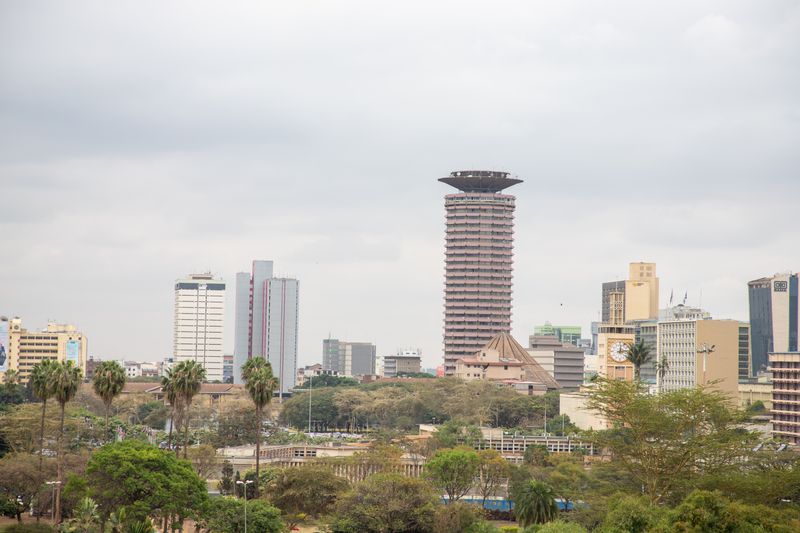
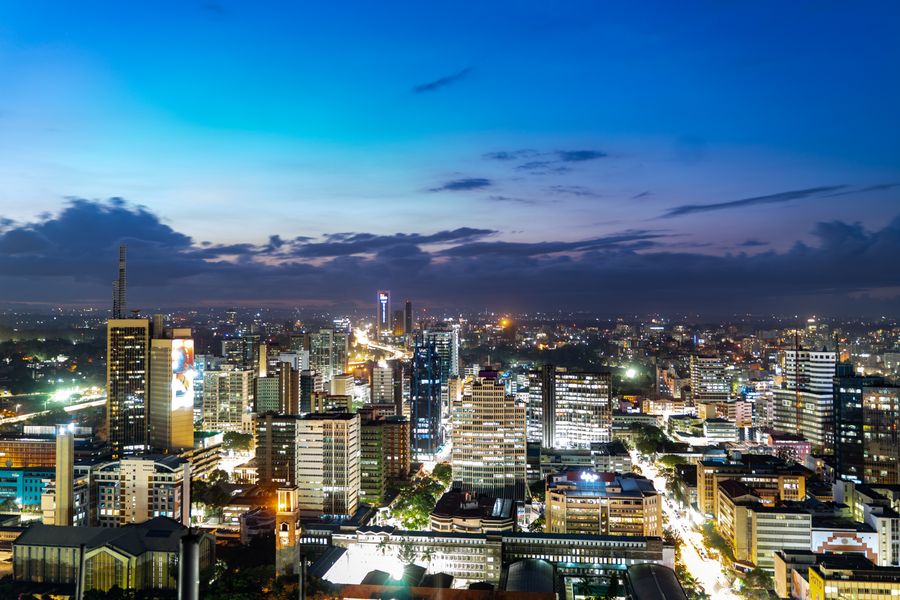
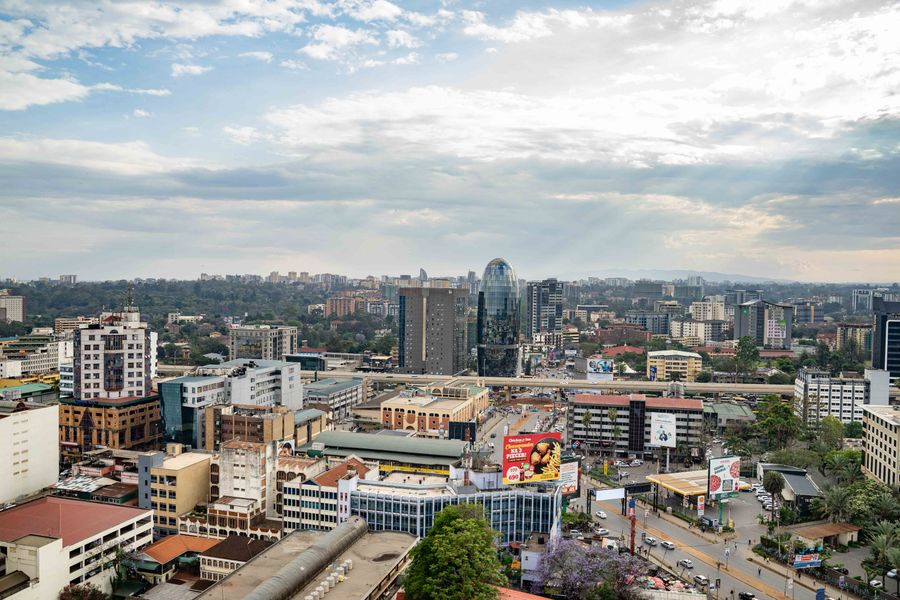
For a visitor it is the easiest line in the city to hold on to. Stand on the avenue and the whole grid arranges itself: City Square and the KICC tower to the south, the market streets one block north, the busiest pavements in Kenya at the east end, and Uhuru Park at the west.
01Why base here
- The clearest orientation line in the centre: get lost anywhere in the grid and walking to the avenue fixes it.
- Bank halls, airline desks and the older business hotels are all on it or one block off it.
- Wide, planted, and shaded for most of the day, which matters at this altitude.
- Quiet at weekends in a way the rest of the CBD is not.
02The longer view
The avenue was the colonial town’s Sixth Avenue, then Delamere Avenue, and was renamed for the first president after independence. Its width is the one piece of nineteenth century planning that still shapes how the centre feels: the surveyors allowed for a turning circle wide enough for a span of oxen, and the result is a street that carries six lanes, a planted median and pavements deep enough to walk three abreast without stepping into the gutter.
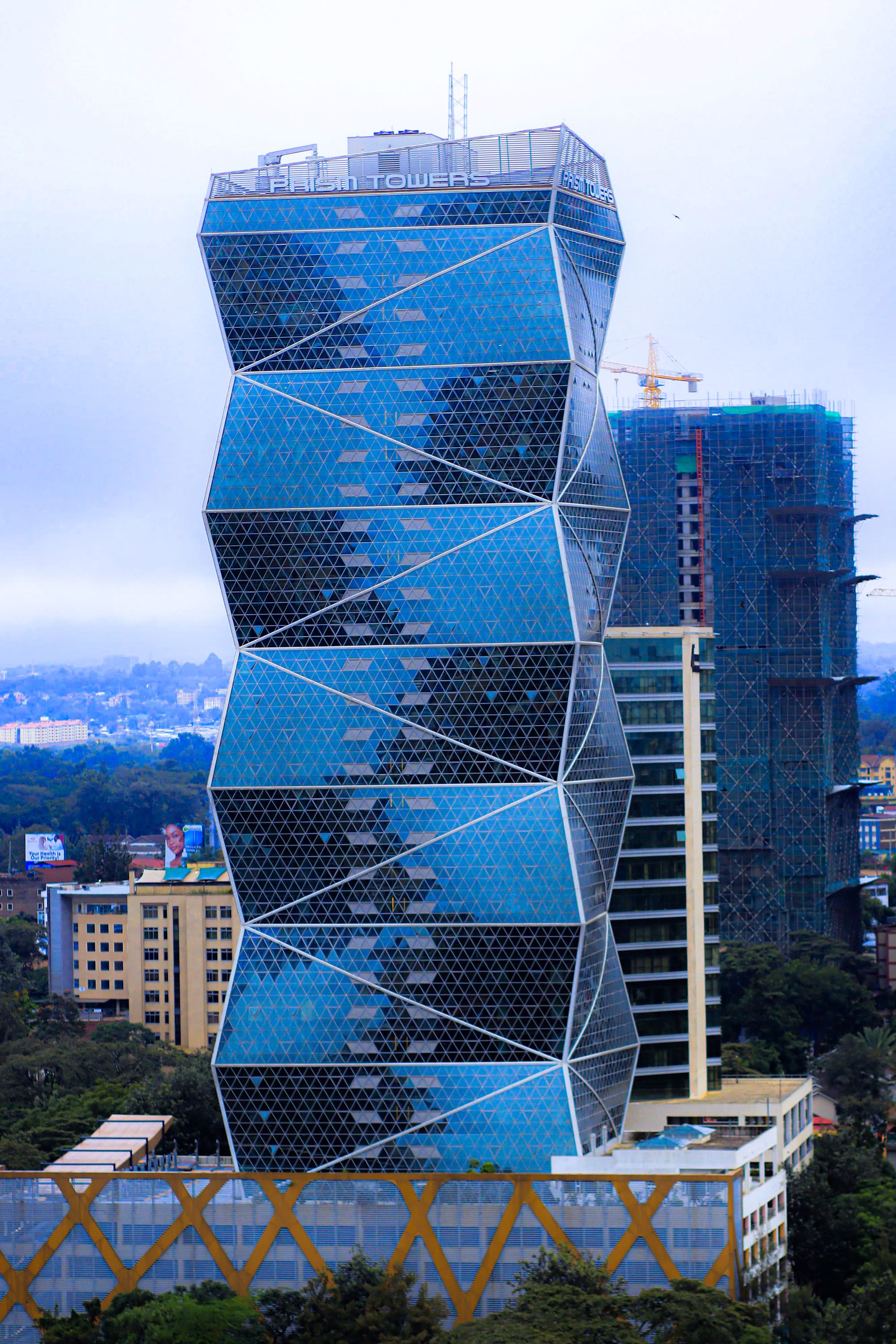
What sits on it changed twice. The first shift put insurance and banking into the blocks the settler traders had occupied, which is why the 1950s and 1960s banking halls are the oldest continuously used interiors in the city. The second is still running: since the 2000s the head offices have been drifting west to the ridge above the CBD, and the ground floors they left behind have filled with phone shops, pharmacies and tailors. The avenue is grander than what now trades on it, and that gap is the most honest thing about it.
03The streets
Kenyatta Avenue itself
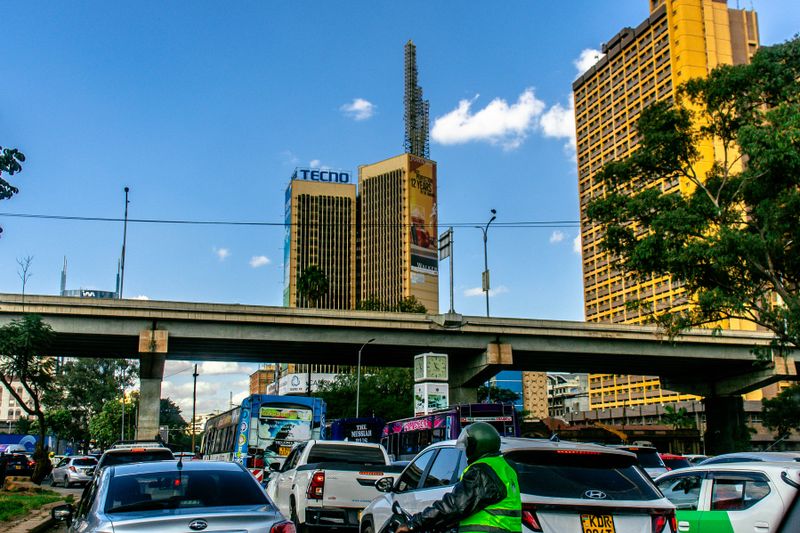
Six lanes with a planted median, banks on both sides, and the jacarandas that give the avenue its photograph for a few weeks each year. The pavement on the north side holds the afternoon shade.
Kimathi Street
One block north and parallel: the old Stanley corner, the Thorn Tree, coffee houses and the tailors. The most pleasant short walk in the CBD.
Standard Street and Mama Ngina Street
Short connectors carrying the lunch trade between the bank towers. Where the office crowd actually eats, and busy from twelve thirty.
Wabera Street
Runs south towards City Hall past the Nairobi Gallery in the old colonial court building. Quiet, institutional, and the fastest way down to City Square on foot.
04What to walk to
Nairobi Gallery
The 1913 court known as Hatches, Matches and Dispatches, now holding part of the Murumbi collection. Small, ticketed, and half an hour well spent.
August 7th Memorial Park
Down at the Haile Selassie Avenue end: the site of the 1998 embassy bombing, kept as a garden with a memorial wall and a single-room museum.
The Stanley corner
Kimathi Street at Kenyatta Avenue, and the oldest continuously trading address in the city. Worth the walk past even if you are not going in.
The bank halls
Several of the 1950s and 1960s banking halls are still in use with their original interiors. Look up at the ceilings when you change money.
05One walk through the quarter
A short line that takes in the whole quarter without doubling back. It is flat, shaded on the north side for most of the day, and every crossing on it is signalled.
- 01 Start at the Uhuru Highway end The west end of the avenue, with the park behind you and the towers ahead. The perspective down the avenue from here is the photograph most visitors come away with.
- 02 East along the north pavement Past the bank headquarters and the airline offices. The shade sits on this side through the afternoon, and the median planting breaks the traffic noise.
- 03 Left into Kimathi Street The block behind the avenue: the Stanley corner, the coffee houses and the tailors. Narrower, busier and considerably more pleasant than the avenue itself.
- 04 Down Wabera Street South past the Nairobi Gallery towards City Hall. Institutional, quiet, and the fastest walking route into the City Square quarter.
- 05 Finish at the Moi Avenue junction The east end, where the avenue meets the busiest pavement in the country. The change in volume over one crossing is the clearest lesson the centre teaches.
06How far everything else is
Direct lines from Kenyatta Ave to the rest of the grid, computed from published coordinates at 4.8 km/h. They are a floor: pavements, crossings and the hour of the day all add to them.
07A short history, in four dates
08Staying here
The avenue and the blocks either side hold most of the older full-service hotels in the centre, the kind built for business travellers and conference delegates: large rooms, reliable water and power, restaurants that serve breakfast from six. Ratings sit high on service and location and lower on how dated the rooms look, which is a fair summary.
No rates on this page
Nightly figures go out of date faster than a page can be rewritten, so this site does not print them. Ratings, review counts and whether a place is walkable to what you came for are the comparison layer. Live availability sits with the booking partner.
09Eating here
The lunch trade
Standard Street and Mama Ngina Street fill from about half past twelve with the office crowd, and the cafes and canteens along them turn over fast. It is the easiest hot lunch in the centre to walk into.
Coffee, properly
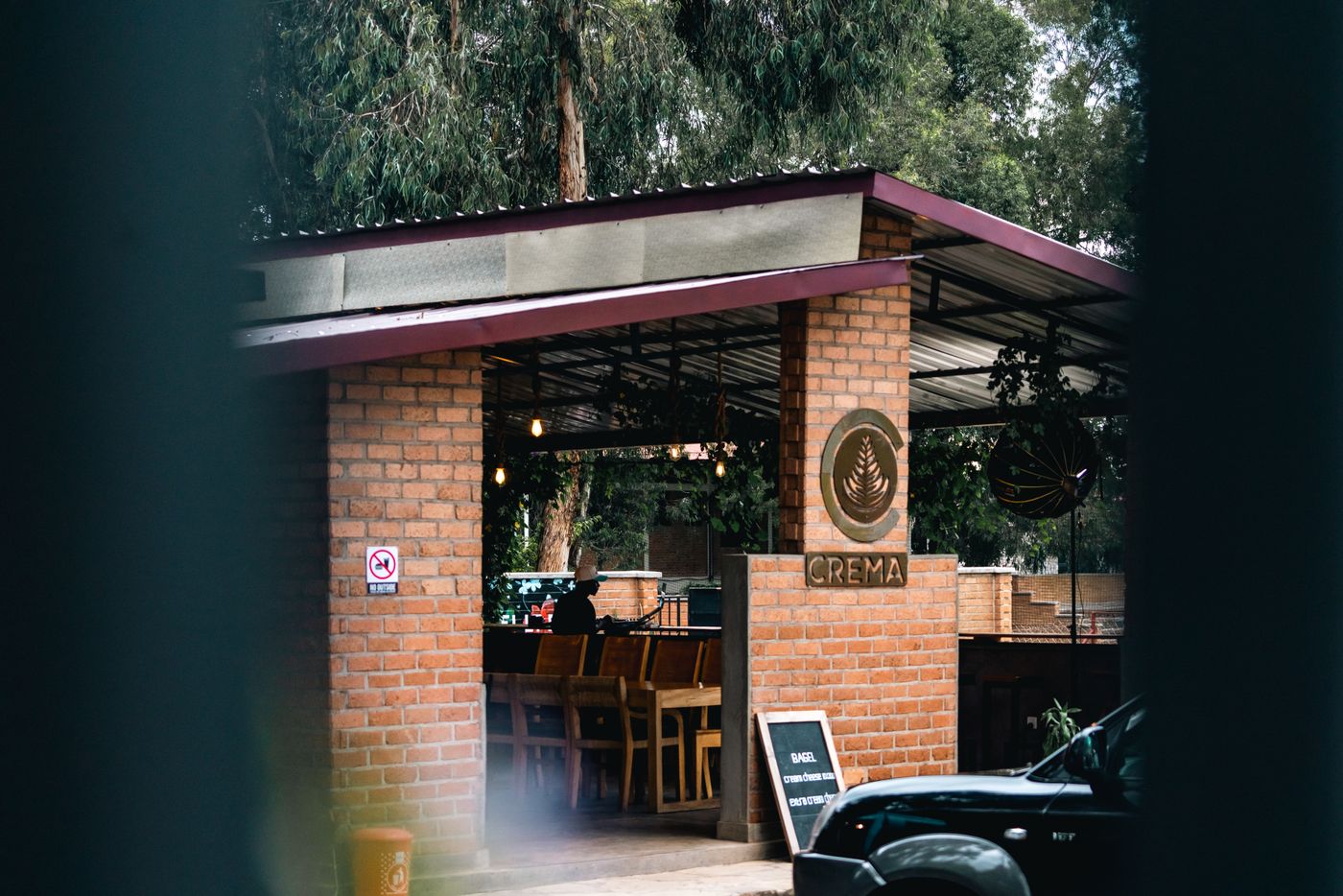
Kenya exports some of the most sought-after coffee in the world and for most of a century drank little of it. The roasteries around Kimathi Street now cup their own lots, and will brew you the grade they used to ship.
10Practical
Getting here
Most arrivals come in from the airport on Mombasa Road or off the expressway at the ridge. Both drop onto Uhuru Highway at the west end of the avenue.
On foot
Signalled crossings at every major junction, and pavements wide enough that the hawker pressure common further east is not an issue here.
Hours
This is an office quarter: the banks, galleries and airline desks keep weekday hours and Saturday mornings at best. Sunday is empty.
What changes
Bank and bureau opening hours, gallery ticketing and museum days are all set by the operator and move. Check the day you go rather than trusting any page, including this one.
11After the offices empty
The avenue empties with the offices. By eight the pavements are wide, lit and almost entirely empty, and there is very little reason to be out on them. Eat in the hotel or take a car west to Westlands or the ridge, and take a car back.
12What people get wrong
Booking here for the nightlife
There is none on the avenue. The CBD is a working district and closes with the offices. Book here for the daytime walking, not the evening.
Assuming the avenue is the whole centre
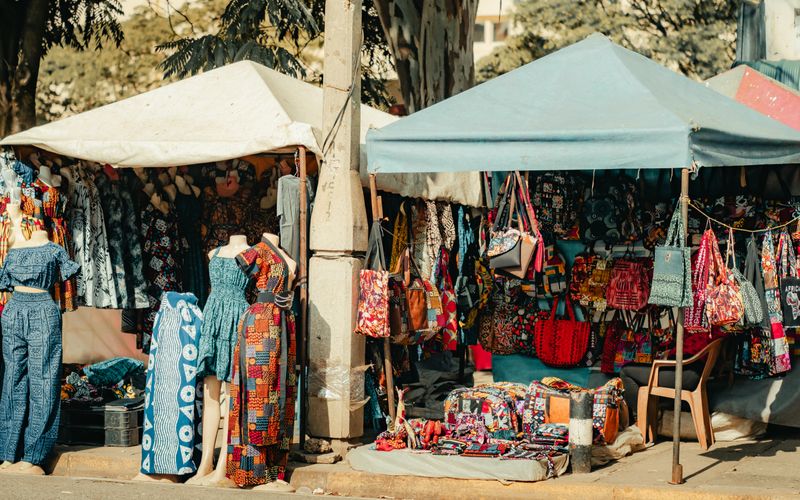
It is the tidiest tenth of it. The market streets, River Road and Muthurwa are all within fifteen minutes and read completely differently.
Treating it as a shopping street
The retail on the avenue serves the offices above it. The shopping streets are one block north, in the market quarter, and they are a different kind of place entirely.
13Things to do in this area
14Where this page comes from
This page is desk research, not fieldwork. Nobody from this site is claiming to have stood on the corner and timed the walk for you. What follows is where the specifics came from, so you can check any of them.
- Nairobi Gallery and the Murumbi collection: National Museums of Kenya, museum pages.
- August 7th Memorial Park: the park trust’s own visitor information.
- Distances: computed from published coordinates, direct line from Kenyatta Avenue at Moi Avenue.
- Street naming and the colonial grid: Nairobi City County and National Archives published histories.
- Banking hall interiors: the buildings are in continuous use; no interior detail here is claimed beyond what is visible from the public hall.
Opening hours, ticket arrangements and market days change. Where this page cannot know a current figure it says so instead of printing one. No hotel, operator or agency pays to appear on it.
15Questions
Is Kenyatta Avenue safe to walk?+
In daylight and in the flow of office traffic it is the most straightforward walk in the CBD. After the offices close the picture changes: the avenue is lit but empty, and a car is the sensible way to move.
Can I change money on the avenue?+
It is the banking address of the country, so yes, at the banks and the licensed bureaux along it. Rates and hours are set by each operator and change, so check the day you go.
When do the jacarandas flower?+
Broadly around the short rains in late October and November, with a lighter second showing in some years. The exact fortnight moves with the rain.
How far is the airport?+
The airport is south-east of the city on Mombasa Road. From the avenue it is a short run on a clear morning and a long one at rush hour; the expressway ramp from the ridge above the CBD is the usual way out.
Is the avenue walkable at lunchtime?+
Yes, and it is the pleasantest hour on it. The connectors either side fill with the office lunch trade from about half past twelve, which is also the easiest time to find food without planning.
What is the Thorn Tree?+
The courtyard at the Stanley corner on Kimathi Street, historically the place travellers pinned messages for each other before there was any other way to leave word. It is part of the hotel, and the board is a piece of the city’s travel history rather than a working noticeboard.