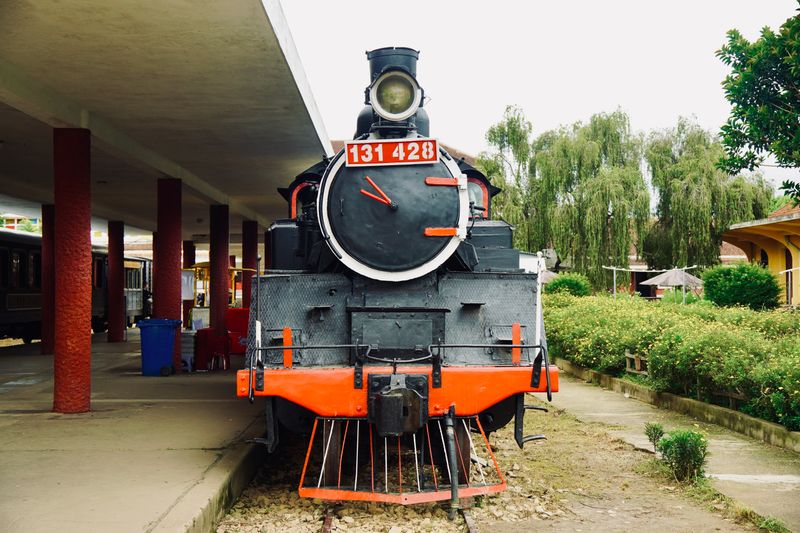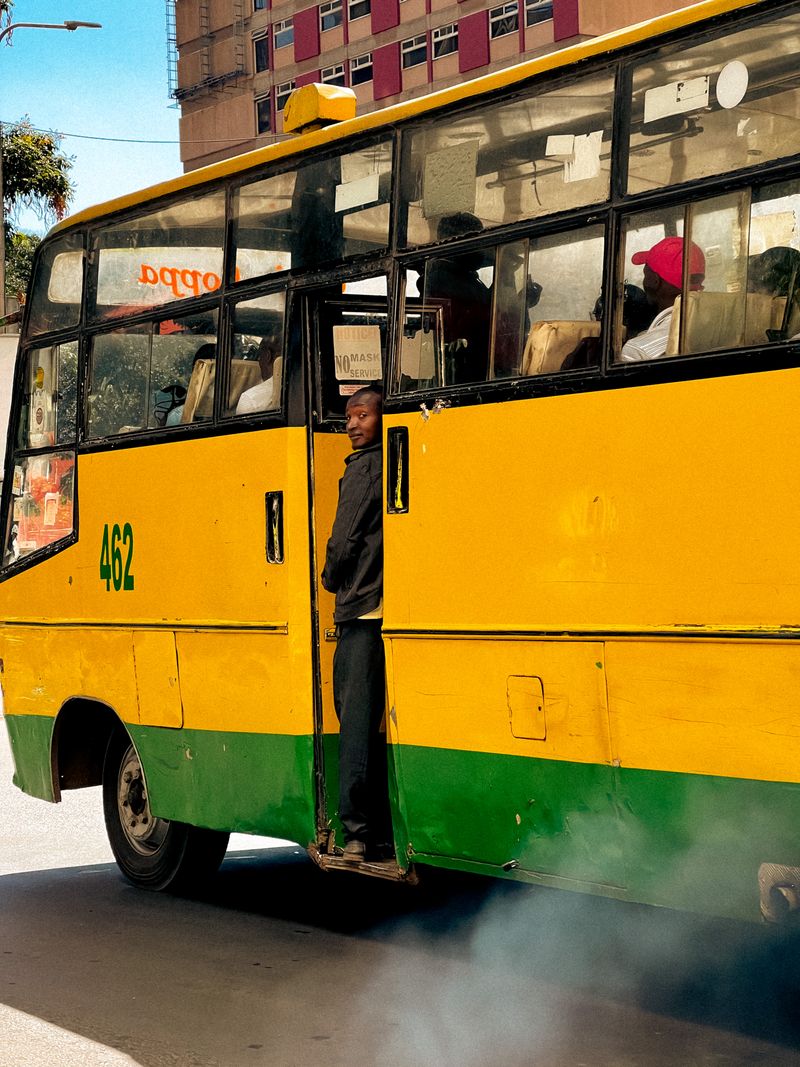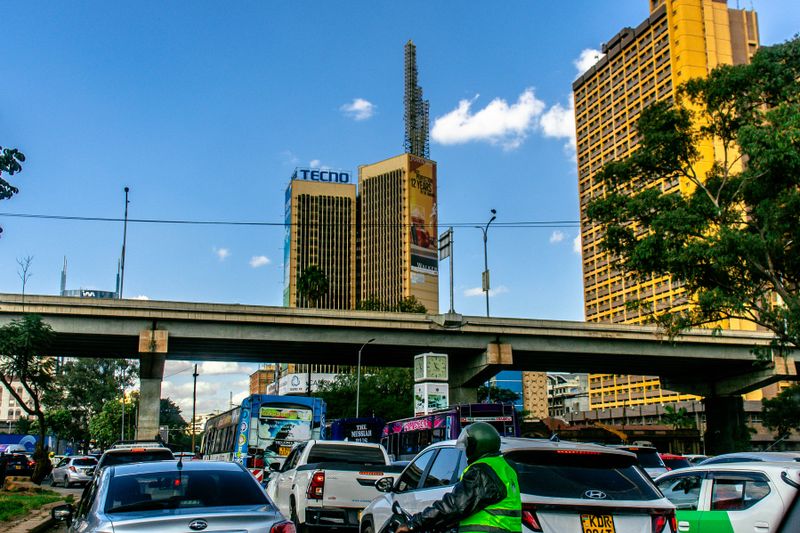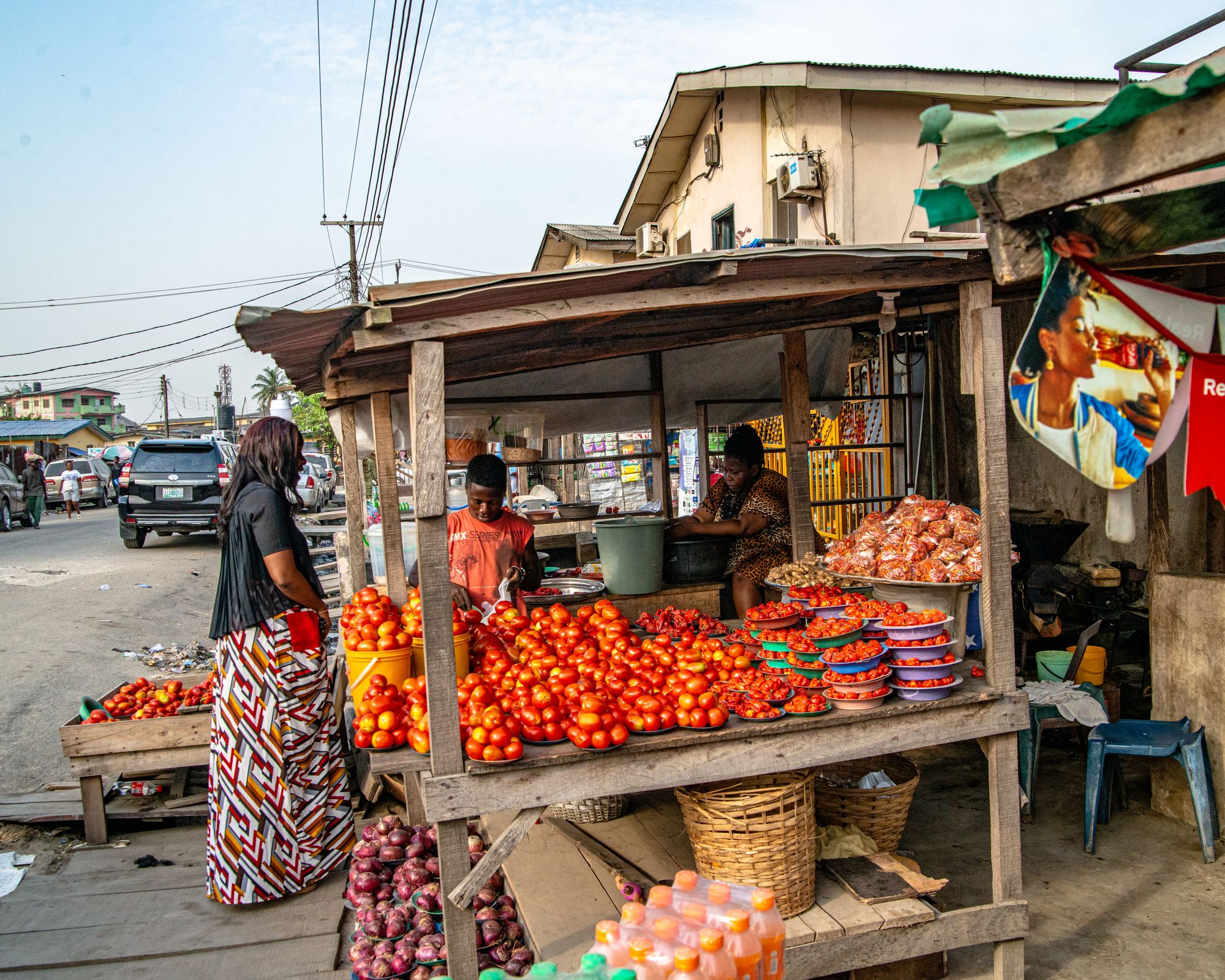
Muthurwa is the wholesale edge, where the market and the country bus termini push up against railway land at the eastern foot of the grid. It feeds everything west of it: the vegetables that reach the City Market hall, the hotel kitchens and the office canteens pass through here first, mostly before five in the morning.
It is the least visited part of the CBD and the hardest work to walk. It is also, for anyone who wants to understand the city as a machine rather than a skyline, the most interesting hour in the centre.
01Why base here
- Wholesale produce trade at a scale nothing else in the centre matches.
- The country bus termini, and the point where up-country Kenya arrives.
- Handcarts, trucks and an entirely informal logistics system that works.
- Early, honest food around the market edge.
02The longer view
Muthurwa is the wholesale edge, where the market and the country bus termini push up against the railway land at the eastern end of the grid. It feeds the rest of the centre: the produce that appears on the stalls in the market quarter and the kitchens on River Road comes through here first, moved by handcart between four and seven in the morning.
The quarter took its present shape recently. The market was built in the late 2000s as part of moving hawkers and long-distance transport out of the core grid, and it brought the termini with it. The result is the least visited part of the CBD and the most purely functional: a place that is finished with its day by the time the offices open.
03The streets
Landhies Road
The main axis: termini on one side, market on the other, and handcart traffic in between at every hour before noon.
The Muthurwa market ground
Produce in bulk, under cover and in the open. Peaks between four and seven in the morning.
Jogoo Road, going east
The route out to the eastern estates, and the reason the termini are here.
The railway boundary
The southern edge, closing the quarter off towards the yards.
04What to walk to
Muthurwa market
Free to walk through, and genuinely busy before dawn. Small notes, closed bags, and someone who knows the ground.
The country bus termini
Departures for much of Kenya. Confirm the operator and the fare at the office, not from a tout.
The handcart trade
Two-wheeled mkokoteni carts moving everything. Give way: they cannot stop as fast as you can.
Gikomba, beyond
The second-hand clothing market east of the quarter, enormous and a separate trip entirely.
05One walk through the quarter
A morning walk or nothing. The trade runs from about four to seven, the handcart traffic is constant and fast, and the quarter is closed and dark by evening.
- 01 In from Haile Selassie Avenue The approach from the grid, east past the railway land. Go at first light, with the traffic of the market rather than against it.
- 02 The wholesale aisles, from the edge Handcarts move at pace and there is no room for anyone standing still. Watch from the edge rather than walking the aisles.
- 03 The termini Country buses for the east and the coast load here. It is the clearest picture of how the city connects to the rest of Kenya.
- 04 The estate streets The 1920s railway housing behind the market is the oldest purpose-built workers’ housing in the city and still occupied.
- 05 Out before the offices open By eight the trade is done and there is nothing left to see. Walk back west into the grid for breakfast.
06How far everything else is
Direct lines from Muthurwa to the rest of the grid, computed from published coordinates at 4.8 km/h. They are a floor: pavements, crossings and the hour of the day all add to them.
07A short history, in four dates
08Staying here
No visitor stock worth listing. The beds near here are working lodgings for traders. Anyone coming for the market should sleep on the avenue and take a car down before first light.
No rates on this page
Nightly figures go out of date faster than a page can be rewritten, so this site does not print them. Ratings, review counts and whether a place is walkable to what you came for are the comparison layer. Live availability sits with the booking partner.
09Eating here
Trader breakfast
The stalls at the market edge feed people at the end of a working night, and they are gone by mid-morning. It is the most local eating in this guide.
Nothing later
There is no lunch or evening trade to speak of here. Eat in the grid, which is twelve minutes west.
What the quarter supplies
Most of what is eaten in the centre during the day passes through this market first, which is the argument for coming: the food on a stall in the market quarter and in a kitchen on River Road was moved by handcart through these aisles before dawn.
10Practical
Getting here
Twelve minutes on foot from the avenue, or a short ride at an hour when nothing else is moving. A car is useful for a pre-dawn visit.
On foot
Mornings only, hands free, small notes, and ideally with someone who knows the market. Handcarts have right of way in practice.
Hours
Four to seven is the trading window. Afterwards the quarter empties, and by evening it is closed and dark.
What changes
Stand allocation at the termini and the market’s internal layout are reorganised periodically. Ask on the day rather than trusting a plan.
11After the offices empty
Shut, dark and not a place to be. This quarter runs from the small hours to mid-morning and then stops. If the plan is not an early one, it is not a plan for Muthurwa.
12What people get wrong
Coming in the afternoon
The trade is finished and all that is left is the clearing up. Four to seven in the morning is the quarter.
Walking in with a camera and a shoulder bag
It is a working market with handcarts moving at pace and no room for tourists in the aisles. Small notes, hands free, and a guide.
Arriving with a camera and a shoulder bag
It is a working market with handcarts moving at pace and no room for visitors in the aisles. Hands free, small notes, and a guide who knows the ground.
13Things to do in this area
Nothing listed in this area yet. That is a gap in this site, not a verdict on the streets: the nearest entries are one quarter over, and the full list is on things to do in the CBD.
14Where this page comes from
This page is desk research, not fieldwork. Nobody from this site is claiming to have stood on the corner and timed the walk for you. What follows is where the specifics came from, so you can check any of them.
- Muthurwa market and the termini: Nairobi City County market and transport information.
- Country bus operators: the operators’ own published departure information.
- Distances: computed from published coordinates.
- Muthurwa market: Nairobi City County records of the 2008 relocation.
- Muthurwa railway estate: published histories of railway workers’ housing in the city.
Opening hours, ticket arrangements and market days change. Where this page cannot know a current figure it says so instead of printing one. No hotel, operator or agency pays to appear on it.
15Questions
Can a visitor walk through Muthurwa?+
Early, with someone who knows it, and with hands free, yes. It is a working wholesale market rather than an attraction, and it should be treated as such.
Are the country buses reliable?+
Operators vary widely. Book at the office, confirm the departure and the fare there, and ignore anyone selling tickets on the pavement.
Is Gikomba the same market?+
No. Gikomba is the second-hand clothing market further east, much larger, and a separate expedition.
Why is it in the CBD at all?+
The railway and the eastern roads meet here, which is why the wholesale trade settled at this corner and why the termini followed it.
Is there anything to see at Muthurwa in the afternoon?+
No. The trade is over by seven in the morning and the quarter is functionally closed for the rest of the day. This is the one area on the site where the hour matters more than the day.
Can I get a long-distance bus from here?+
The country bus termini around the market serve the east and the coast, but stand allocation moves with reorganisation and operators change. Book with the operator and confirm the departure point on the day.
Is Muthurwa a market a visitor should attempt alone?+
It is a wholesale operation rather than a place laid on for visitors, and the aisles are worked by handcart at speed. With someone who knows the ground it is the most interesting hour in the centre; alone, at pace, with a bag, it is an obstruction. Nothing about that is unique to Nairobi: it is how any wholesale market works at four in the morning.
Why is the market here rather than in the grid?+
It was built in the late 2000s to move street trade and long-distance transport out of the core streets, and the railway land at this end of the grid was the space available. That decision is why the centre a kilometre west is walkable at all during the day.