Nairobi exists because of this quarter. In 1899 the Uganda Railway reached the swampy flat at the foot of the Kikuyu escarpment and stopped to gather itself for the climb into the Rift, and the depot it built became a town, then a capital.
The 1929 station building, the yards behind it and the museum of locomotives sit along the CBD’s southern boundary, ten minutes below Kenyatta Avenue. It is the least tidy quarter in the centre and the most explanatory: the grid above makes sense only once you have seen what it was laid out to serve.
01Why base here
- The Railway Museum, which is the best history in the CBD and the least visited.
- The station itself, still working, and the commuter line north and east.
- A short walk down from the avenue, entirely in daylight.
- The one quarter that explains the shape of the whole city.
02The longer view
Nairobi exists because of this quarter. The Uganda Railway reached the swamp here in 1899 and stopped to gather strength for the climb into the Rift, and the depot that was pitched to service the works became the town, then the capital. The 1929 station building, the yards behind it and the museum of locomotives sit on the CBD’s southern boundary, ten minutes downhill from Kenyatta Avenue.
It is also the quarter that shows what happens when the reason for a place moves on. Long-distance passenger traffic shifted to the standard gauge terminus outside the city in 2017, leaving the old station handling commuter services and a great deal of empty industrial land. The museum is unrestored, dusty and the best history in the centre precisely because nobody has tidied it.
03The streets
Haile Selassie Avenue
The northern boundary, carrying traffic across the grid’s foot. The memorial park sits at its Moi Avenue junction.
Station Road and the yards
Down towards the platforms: sheds, workshops and railway land, wide and industrial. Daylight only.
Workshops Road
The museum approach. Unremarkable to look at and the reason to be down here.
The Uhuru Highway underpass
The link west towards the ridge. A vehicle route rather than a walk.
04What to walk to
Nairobi Railway Museum
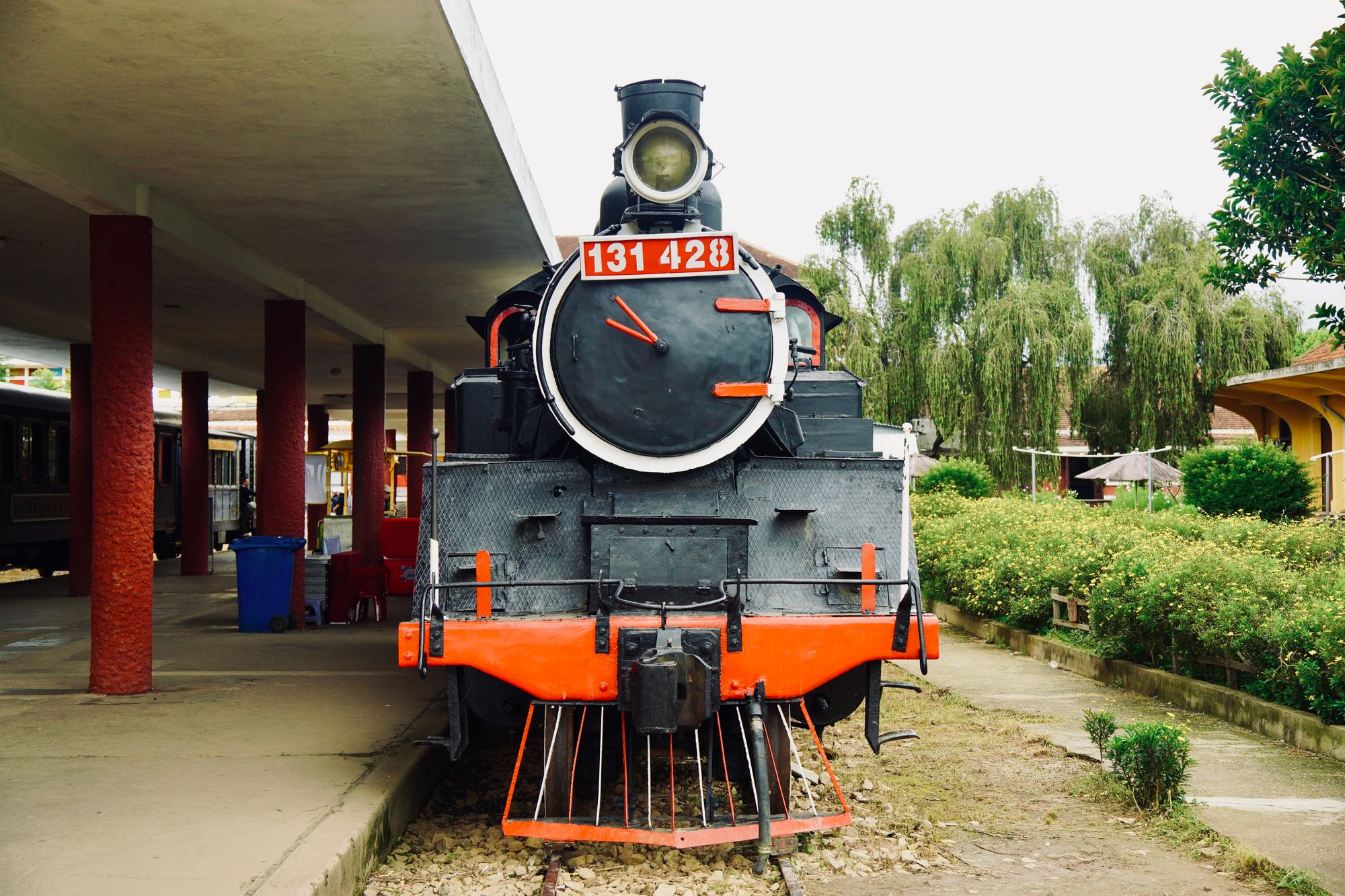
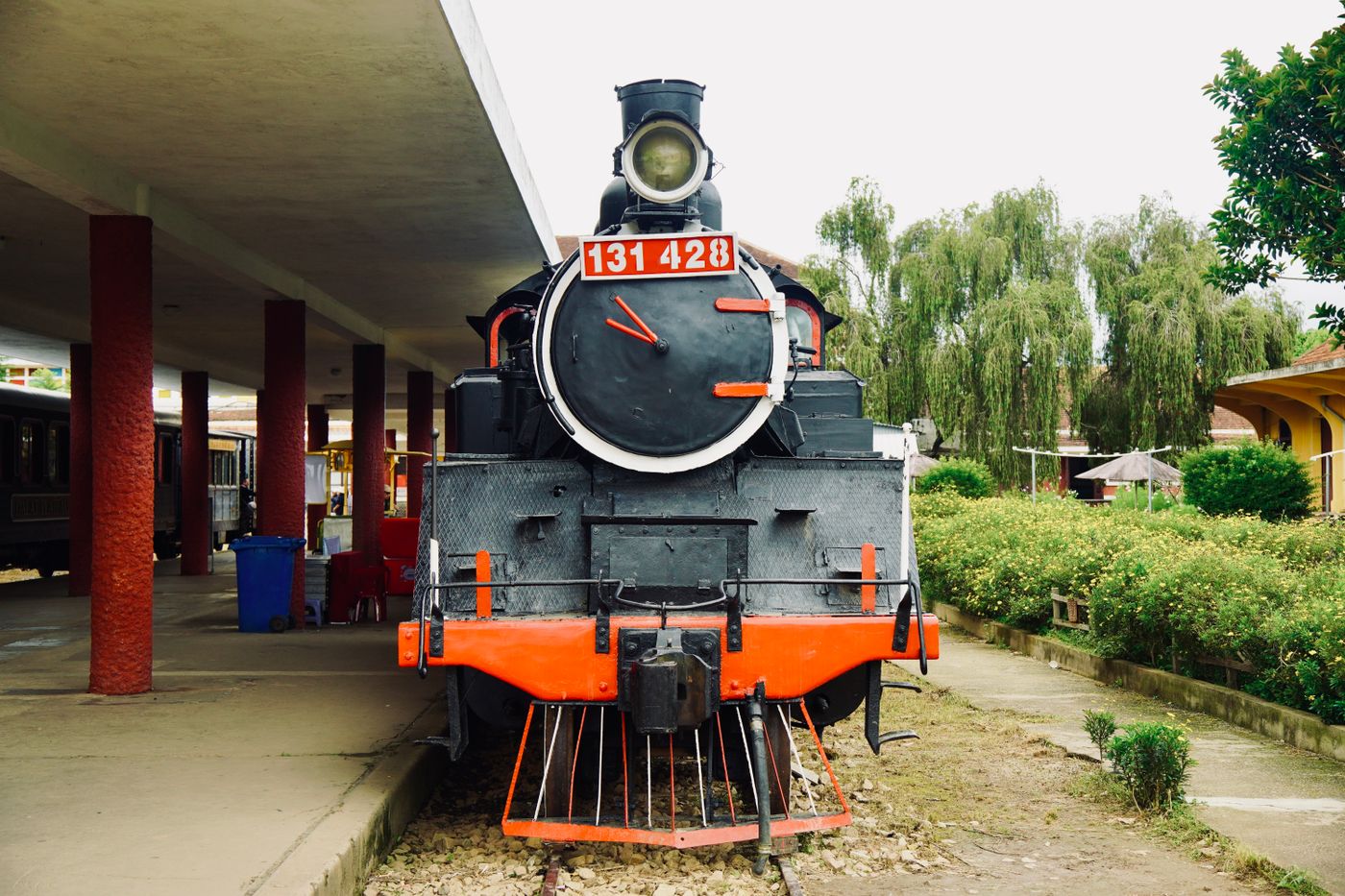
Ticketed, an hour, and unrestored in the best way: locomotives in the open, carriages you can climb into, and the coach tied to the Tsavo man-eater story.
Nairobi Railway Station
The 1929 building, still in service for the commuter network. The intercity line to Mombasa runs from the newer terminus outside the city.
The yards
Visible from the museum and the station approach. A hundred and twenty years of rolling stock in various states.
August 7th Memorial Park
At the top of the quarter on Haile Selassie Avenue, and the natural pairing with a museum morning.
05One walk through the quarter
Downhill from the grid and back up again, in daylight. The approach roads empty and go unlit in stretches, so this is a morning or early afternoon walk with a car home if it runs late.
- 01 Down Moi Avenue to Haile Selassie Avenue The southern boundary of the busy grid, and the crossing point into the railway land.
- 02 The station building The 1929 frontage, still in use for commuter services. The scale of the forecourt is the clue to what the place once handled.
- 03 The Railway Museum Locomotives in the open, carriages you can walk through, and the carriage tied to the Tsavo man-eater story. It shuts in the mid-afternoon.
- 04 The yards, from the public side Sheds, sidings and the sheer amount of flat land the railway took. The city’s whole layout becomes obvious from here.
- 05 Back up into the grid North on Moi Avenue, which is uphill, busier with every block, and the fastest way back to the avenue.
06How far everything else is
Direct lines from Railway to the rest of the grid, computed from published coordinates at 4.8 km/h. They are a floor: pavements, crossings and the hour of the day all add to them.
07A short history, in four dates
08Staying here
Almost no visitor stock: this is railway land and warehousing. The nearest beds are on the avenue five minutes north, which is where anyone doing a museum morning should sleep.
No rates on this page
Nightly figures go out of date faster than a page can be rewritten, so this site does not print them. Ratings, review counts and whether a place is walkable to what you came for are the comparison layer. Live availability sits with the booking partner.
09Eating here
Thin on the ground
This is working land and the food follows the shift pattern: kiosks near the station in the morning and at lunch, very little afterwards.
Back up the hill
The busy grid is ten minutes north and feeds the whole city at lunch. Plan to eat there rather than here.
10Practical
Getting here
Ten minutes downhill on foot from Kenyatta Avenue, or a short ride. Commuter rail services use the station itself.
On foot
Fine in daylight on the main approaches. Industrial land is not a walking environment after the working day.
Hours
The museum keeps its own hours and closes in the mid-afternoon; the arrangement and the ticketing are the museum’s to set and are not printed here.
Commuter rail
The Nairobi commuter services run from this station on a timetable set by the operator. Read the current timetable rather than a guide.
11After the offices empty
Industrial, unlit in stretches, and not a place to be walking once the light goes. The museum shuts in the mid-afternoon, which conveniently sets the right departure time. Come down in the morning and be back on the avenue by four.
12What people get wrong
Expecting the intercity train from here
The standard gauge service to Mombasa leaves from a terminus outside the city, not from the 1929 station. Check which station your ticket names.
Walking down at dusk
The approach roads empty and unlight quickly. Daylight, and a car if you are late.
Expecting a restored museum
It is a working yard with locomotives standing in it, not a curated exhibition. That is the reason to go, and it means dust, sun and no cafe.
13Things to do in this area
14Where this page comes from
This page is desk research, not fieldwork. Nobody from this site is claiming to have stood on the corner and timed the walk for you. What follows is where the specifics came from, so you can check any of them.
- Nairobi Railway Museum: Kenya Railways, museum information.
- Commuter and standard gauge services: Kenya Railways published timetables.
- The 1899 depot and the founding of Nairobi: National Museums of Kenya historical summaries.
- Nairobi Railway Museum: the museum’s own visitor information.
- Uganda Railway dates and the 1929 station: published railway histories and the National Archives record.
Opening hours, ticket arrangements and market days change. Where this page cannot know a current figure it says so instead of printing one. No hotel, operator or agency pays to appear on it.
15Questions
Is the Railway Museum worth it?+
For anyone who likes machinery or wants to understand why Nairobi is where it is, it is the best hour in the centre. It is dusty and unrestored, and that is the appeal.
Can I still take a train from Nairobi Station?+
The commuter network runs from the old station. The intercity standard gauge service uses a separate terminus outside the city, so check the station named on the ticket.
Is it walkable from the avenue?+
Yes, about ten minutes downhill in daylight. The route is straightforward and the direct-line figure on this page is the floor on it.
Anything to eat down here?+
Very little. Eat on the avenue before or after, or at the memorial park end.
Can I still catch a train from the old station?+
Commuter services run from it. Long-distance standard gauge trains use a terminus outside the city, so check which service and which station before planning a journey around it.
Is the Railway Museum worth the walk?+
For anyone interested in why Nairobi is where it is, it is the most useful hour in the centre. It is unrestored and largely outdoors, it shuts in the mid-afternoon, and the walk back up into the grid should be done in daylight.
What is the carriage everyone photographs?+
The museum holds the carriage associated with the Tsavo man-eater story of 1898, when lions killed railway workers during the bridge works and a hunt that became famous followed. The museum tells that story with its own labelling, which is the version worth reading rather than any retelling.
Does the quarter have anything beyond the museum and the station?+
Not for a visitor, and that is the honest answer. It is industrial land carrying the city’s original purpose, and the value of walking into it is understanding how the grid above it came to be laid out the way it is.