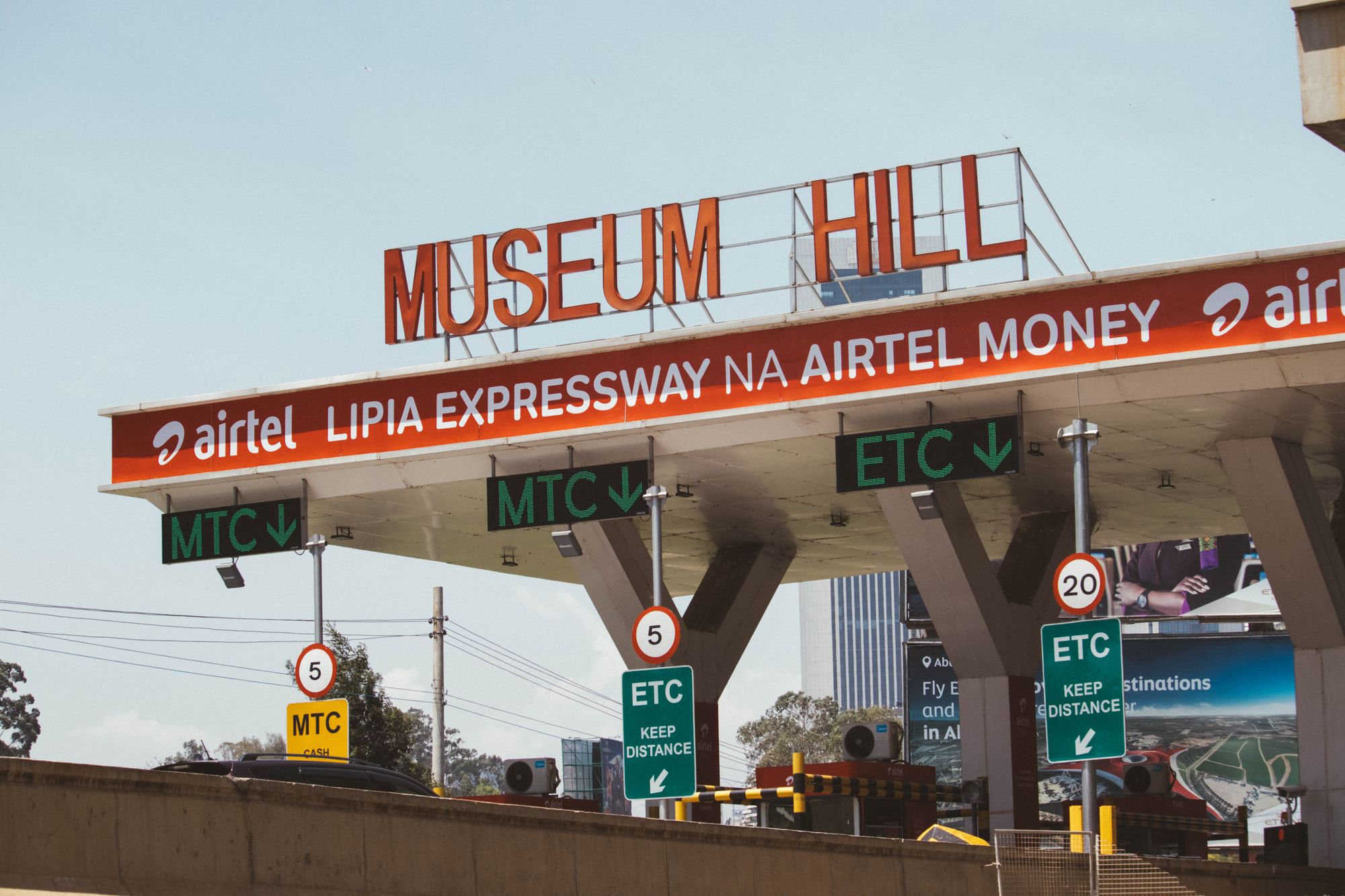
01What the National Museum actually is
The National Museum is the country's principal museum, and it sits on Museum Hill at the northern edge of the centre, in the quarter this site calls Ngara and the Globe. It is not a small city collection. It is the national one, founded in the city in 1910 and moved to this hill in 1930, and it has been the reference point for Kenyan archaeology, ethnography and natural history ever since. That alone is why it appears on a page about the Central Business District: the best museum in the country is a short ride from the grid, not a day trip out of it.
For the CBD visitor the museum is a single destination with several parts. The building holds the galleries. Around it, on the same grounds, are the snake park and the botanic garden along the river, and those are operated separately enough that their arrangements can differ from the main building's. That structure matters when you plan the trip, because you are not buying one undifferentiated attraction: you are deciding how much of the hill to take in, and in what order.
What it is not is a quick stop between errands on Kenyatta Avenue. The site's own note is blunt about the human-origins material: allow an hour for that gallery alone, before anything else inside the building. Treat the museum as the main event of a half day rather than an hour borrowed from the middle of the day, and it repays the trip. Treat it as a filler and you will shortchange the one gallery that justifies the hill.
02What there is to see inside
Inside, the museum runs from the deep past to the recent past. The human-origins gallery is the reason the hill is worth the crossing. This is the collection that gives Kenya its place in the story of early humans, and the site's advice is to give it an hour before you plan anything else in the building. Read the labels rather than walking the cases, because the sequence is the point, and the sequence rewards attention in a way that a quick circuit does not.
Joy Adamson's botanical portraits hang in the same building, a completely different register from the archaeology. They are paintings of Kenyan plants, made as a record rather than as decoration, and they are the part of the collection most often underestimated by people who came only for the bones. Give them a stretch of their own rather than treating them as corridor art on the way to something else.
Outside, the grounds add two things the galleries cannot. The snake park is the reliable hit with children, and it is short enough to fit after the main building without exhausting anyone. The botanic garden runs along the river behind the museum: shaded, quiet, and a good place to sit once the galleries are done. Both are the kind of thing to confirm at the desk on arrival, because they are run separately and their arrangements move.
The human-origins gallery
The reason the museum is on any list. The collection of early hominin remains from around Lake Turkana is the strongest thing here, and it rewards a slow pass rather than a walk-through. Allow an hour for this gallery alone.
Joy Adamson's botanical portraits
A long run of painted plates of Kenyan plants, made by the same hand behind Born Free. They hang as a collection rather than as decoration, and they are the part of the museum most people walk past too quickly.
The snake park
Across the museum grounds and included in most ticket options. It is short, outdoors, and a reliable hit with children. Check the day's arrangements at the museum desk rather than assuming a fixed schedule.
The botanic garden
Behind the museum along the river. Quiet and shaded, and nearly empty on weekday mornings. It is the part of the visit that works best when the galleries have filled up or the weather has turned.
03Getting there from the CBD grid
From Kenyatta Avenue at Moi Avenue, the museum is about 0.81 km away on the straight line, and the walk is quoted at 11 min. That figure describes the distance, not the experience of the road. The route runs north to the Globe Cinema roundabout, the CBD's northern hinge, and then up Museum Hill. The roundabout is a road interchange with a flyover above it, and the junctions around it are built for vehicles. Distances on this hill are shorter than they feel.
On foot the honest verdict is that the walk works only if you are comfortable with fast traffic. The pavements exist, but the crossings are the thing, and the shortest line is not the safe one. Aim for the marked crossing points and accept the indirect route, because cutting across the junctions to save a few steps is the wrong trade on this particular edge. The site's advice is to walk up from the Globe roundabout only on those terms, and to look for the crossings rather than the shortest line.
If the museum is the whole reason for the trip, take a car or a taxi up Museum Hill instead. The indirect pedestrian route is not worth the saving, and arriving fresh is worth more than arriving having spent the walk watching traffic. The ride is short from the centre. This is the one destination on the northern edge where the car is the calmer choice rather than the lazy one, and there is no shame in making it.
04What to sort out before you go
The practical arrangements are the operator's and they move, so this page tells you what to settle and where, not what the numbers are. Ticket price is not printed here: the site prints no price of any kind, because current rates belong to the National Museums of Kenya and belong at the desk. Opening hours are not printed either, because they are set by the operator and shift with the season. Ask at the museum desk, or check the museum's own visitor information before travelling up the hill.
Budget your time around the galleries rather than around the building. Give the human-origins gallery an hour on its own before planning anything else inside. The rest of the visit can then take whatever shape the day allows, whether that is the Adamson portraits, the snake park, the garden, or two of the three. Two to three hours is the realistic bracket for the museum as a whole, and it fills quickly once the first gallery has had its hour.
This page is compiled from published information and the site's own checks rather than from a visit. Opening arrangements and anything that moves week to week are not printed here, and the same goes for the snake park and the garden, which are operated separately from the main galleries and whose days can differ. Confirm all of it at the desk when you arrive, and treat any figure quoted elsewhere as likely out of date.
If the museum is the only reason for the trip, take a car or a taxi up Museum Hill rather than walking. The indirect pedestrian route is not worth the saving. Walk up from the Globe roundabout only if you are comfortable with fast traffic, because the pavements exist but the junctions are built for vehicles, so look for the crossings.
- Buy the ticket at the museum desk on arrival; opening hours and ticketing are set by the National Museums of Kenya and move with the season.
- Allow an hour for the human-origins gallery alone before planning anything else inside the building.
- Walk up from the Globe roundabout only if you are comfortable with fast traffic; the pavements exist but the junctions are built for vehicles, so look for the crossings.
- If the museum is the only reason for the trip, take a car or a taxi up Museum Hill rather than walking; the indirect pedestrian route is not worth the saving.
- Check the snake park and garden arrangements at the desk when you arrive, because they are operated separately from the main galleries and their days can differ.
What this page does not print
No ticket price appears here, because the site prints no price of any kind: current rates belong to the National Museums of Kenya and belong at the desk. Opening hours move with the season and are set by the operator, so this page does not print them either. Ask at the museum desk, or check the museum's own visitor information before travelling up the hill, and treat any figure quoted elsewhere as likely out of date.
05Who it suits, and the verdict
The museum suits anyone with a real interest in human origins, in Kenya's natural and cultural record, or in Joy Adamson's botanical work. It suits families, because the snake park gives children something concrete and short after the galleries, and it suits a rainy day better than almost anything else in the centre: the collections are indoors and the hill is reachable by car. It suits the traveller who is willing to give a single gallery an hour and let the rest of the visit follow from that.
It does not suit someone looking to fill a spare hour between two appointments in the CBD. The trip up the hill, the ticket desk and the first gallery alone will eat that hour before anything else is seen. It does not suit a visitor who wants to walk everywhere on principle and is not comfortable with fast junctions, because this edge is a transport one and the pedestrian route is indirect by design. Take the car in that case, and do not treat it as a compromise.
The verdict is straightforward. This is the strongest single thing to do on the northern edge of the centre, and the one museum in the country worth crossing the city for. Go for the human-origins gallery first, give it its hour, then take the Adamson portraits, the snake park and the river garden as the day allows. Settle the ticket at the desk, confirm the separate parts when you arrive, and take a car up the hill if the walk's traffic puts you off. The hill earns the trip.
Where this page comes from
Desk research, not fieldwork. Nobody writing this stood on the corner with a stopwatch, and a page that implied otherwise would be the least trustworthy thing on the site. The specifics above came from here:
- National Museum: National Museums of Kenya visitor information, including the 1910 founding and the 1930 move.
- Nairobi National Museum and the snake park: National Museums of Kenya, visitor information.
- Matatu and long-distance routes: Digital Matatus route data, Nairobi.
Opening hours, ticketing and market days change. No hotel or operator pays to appear here.
06Questions
How long should I give the museum?+
Two to three hours covers the building at a reasonable pace. The human-origins gallery alone deserves an hour, and the botanical portraits and the rest of the collections fill the remainder. Add time if you also want the snake park and the botanic garden, which sit in the grounds.
Is the walk from the CBD straightforward?+
It is a little over eleven minutes on foot from Kenyatta Avenue at Moi Avenue to the Globe roundabout, and longer up Museum Hill. The road up is fast and the pedestrian route is indirect, so use the crossings rather than the shortest line. A car saves effort on the hill, not much time.
Do I need to book ahead?+
Ticketing is handled by the National Museums of Kenya, and arrangements can change. Sort the ticket at the desk when you arrive rather than relying on a printed schedule from elsewhere. If a group visit or a specific gallery matters, check the museum's own visitor information in advance.
What is there for children?+
The snake park is the obvious draw and is included in most ticket options, though it is short. The botanic garden gives them room to move after the galleries. The human-origins material is aimed at older visitors, so plan the day around the outdoor parts if the group is young.
Is it worth crossing the city for?+
Yes, and it is the strongest museum in the country. The human-origins collection is the reason, and the botanical portraits and grounds give the visit more than one note. Treat the trip as half a day and combine it with the Ngara market if you are up early.