01The wholesale edge of the grid
Muthurwa is the wholesale edge of the central business district, the strip where the market ground and the country bus termini push up against the railway land at the eastern foot of the grid. It feeds everything west of it. The vegetables that reach the City Market hall, the hotel kitchens and the office canteens pass through here first, moved by handcart, mostly before the offices open. This is the least visited part of the CBD and the hardest work to walk, and it is the most interesting hour in the centre for anyone who wants to understand the city as a machine rather than a skyline.
The quarter is worth a page because it keeps hours the rest of the grid never sees. Four in the morning is its midday. By the time the avenue is filling with commuters and the shops on Kenyatta Avenue are pulling up their shutters, Muthurwa has already had its day and is emptying. Nothing else in the centre works like that, and almost nothing written for visitors treats the district as the morning quarter it is.
Be clear about what that means before you plan around it. Muthurwa is not a place to fold into a general walk of the CBD. It is a single-purpose destination with a trading window of a few hours, and the rest of the time it is cleared ground: shut, dark and not a place to be. The whole value of the page is in saying so plainly rather than dressing the quarter up as something it is not.
The district sits roughly 1.23 km and 16 min on foot from Kenyatta Avenue at Moi Avenue, which is a short walk at an hour when nothing else is moving and a grim one in the middle of the day. Whether the walk or a short ride makes more sense depends entirely on the hour you are going, and the honest answer is that a pre-dawn visit is easier with a car. This site would send a first visit before dawn or not at all.
02What is actually here
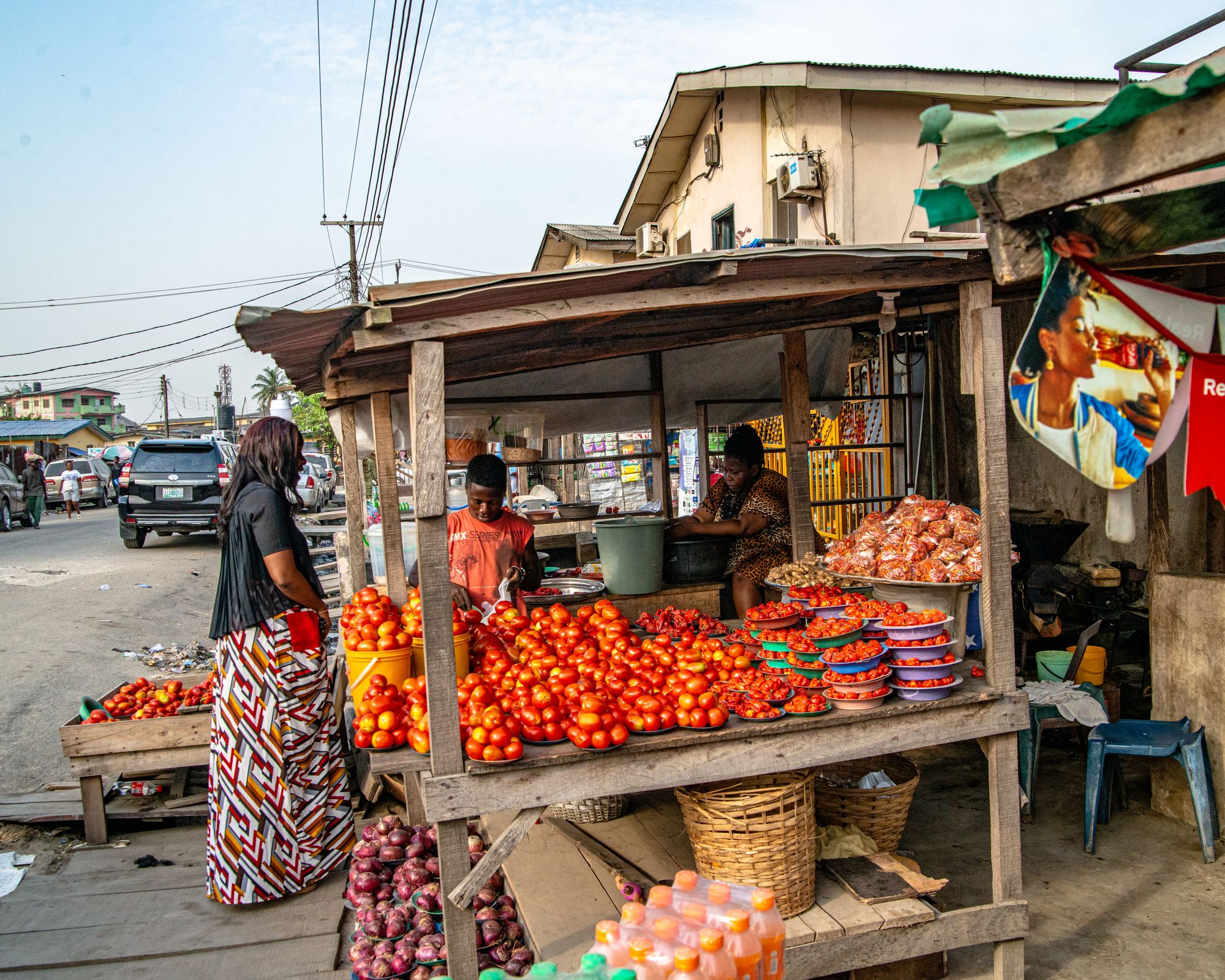
Muthurwa market ground is the reason the quarter exists. Produce arrives in bulk and changes hands under cover and in the open, and the pace belongs to the buyers rather than to anyone watching. It is free to walk through and it is genuinely busy before dawn. Small notes, closed bags and someone who knows the ground are the difference between a good hour and a bad one. The market is a working floor, not an exhibit, and the people on it are mid-shift.
The country bus termini sit alongside the market and are the second half of the quarter. Departures for much of Kenya leave from these stands, and the offices behind them sell the seats. Confirm the operator and the fare at the office rather than from anyone who approaches you on the street, and treat the stand allocation as something to ask about on the day. Which operator uses which stand is reorganised periodically, and no printed list survives that.
Landhies Road is the main axis: termini on one side, market on the other, and handcart traffic in between at every hour before noon. Jogoo Road running east is the route out to the eastern estates and the reason the termini are here at all, while the railway boundary closes the quarter off to the south towards the yards. Read the quarter as a single working street with a market attached, and it makes sense quickly.
The handcart trade moves everything: two-wheeled mkokoteni carts shifting produce, sacks and boxes through the market and out along the road. They have right of way in practice, not by rule but by physics. A loaded cart cannot stop as fast as you can, and the aisles are too narrow for the negotiation to go well. Keep out of the lanes, keep your hands free and let the carts through. Beyond the quarter, Gikomba and its second-hand clothing market lie further east and are a separate trip entirely.
Muthurwa market ground
Produce in bulk, under cover and in the open, with the peak before the offices open. The market is the reason the quarter exists and the reason the streets fill before dawn.
The country bus termini
Departures for much of Kenya cluster here, fixed by the 2008 relocation. Confirm the operator and agree the fare at the office, never with a tout on the pavement.
Landhies Road
The main axis, termini on one side and market on the other. Handcart traffic moves between them from the small hours until the trade finishes.
The handcart trade
Two-wheeled mkokoteni carts move everything through aisles built for them, not for visitors. Give way: a loaded cart cannot stop as fast as a person can step aside.
03What this page cannot settle
The single most useful thing this page can tell you is what it will not print. Opening arrangements, the trading window and the termini stands are set by the operators and by county reorganisation, and they move. This page prints no clock time it cannot keep current, and it prints no opening or closing hour at all. Treat any hour quoted elsewhere as a starting point and ask on the day. What is settled is the shape: this quarter works from the small hours to mid-morning, then stops.
That shape has a hard edge. Come in the morning window only: the trade is finished by mid-morning and the quarter is cleared, closed and dark for the rest of the day. An afternoon arrival finds clearing up and not much else. Carry small notes, keep bags closed and hands free, and walk with someone who knows the market rather than reading it from the aisle. Treat the market and the termini as working ground, not a photo stop: ask before photographing anyone and keep out of the handcart lanes.
Stand allocation and the market layout are reorganised periodically, so confirm which stand serves which route on the day. This page is compiled from published information and the site's own checks rather than from a visit. Nobody writing it has stood in the market before dawn. Anything that moves week to week, the trading hours above all, is deliberately not printed here, because a page that cannot keep a time current has no business printing one.
There is a second thing worth admitting. The quarter's reputation and its reality are not the same, and neither a warning nor a reassurance from a page written at a distance is worth much. Read the shape, take the precautions that any working market asks of a stranger with a bag, and go with someone who knows the ground. That is the honest limit of what can be said from here, and pretending otherwise would be the more useful-sounding and less truthful choice.
- Come in the morning window only: the trade is finished by mid-morning and the quarter is cleared, closed and dark for the rest of the day.
- Carry small notes, keep bags closed and hands free, and walk with someone who knows the market rather than reading it from the aisle.
- Treat the market and termini as working ground, not a photo stop: ask before photographing anyone and keep out of the handcart lanes.
- Confirm which stand serves which route on the day, because stand allocation and the market layout are reorganised periodically.
Why no hours are printed
The trading window and the termini stands are set by the operators and by county reorganisation, and they move. This page will not print a clock time it cannot keep current, so treat any hour quoted elsewhere as a starting point and ask on the day. What is settled is the shape: this quarter works from the small hours to mid-morning, then stops.
04How to use it
Plan Muthurwa as the first thing in a day, not a stop in the middle of one. The market and the termini between them take an hour or two, and the natural sequence is to arrive in the dark, walk the market ground while the trade is at full pace, look at the termini, and leave as the quarter empties and the rest of the CBD wakes up. If the plan is not an early one, it is not a plan for Muthurwa.
If you want the country buses rather than the market, come with a route in mind and confirm it at the operator's office rather than at the roadside. Ask which stand serves your route on the day you are travelling. Buy the ticket at the desk, agree nothing with anyone who approaches you first, and allow more time than the timetable suggests, because the stands and the roads around them are not a place where anything runs to schedule.
For the market, the useful preparation is practical rather than cultural. Carry small notes, keep bags closed and hands in view, and take a guide who knows the ground if you possibly can. Give the handcart lanes a wide berth. Ask before photographing anyone. None of that is specific to this quarter, but the density and the pace here make each of them matter more than they do on the avenue a short walk west.
Sleep on the avenue and come down early rather than looking for a bed near the market. The lodgings around here are working accommodation for traders, and this page does not recommend any of them. Eat in the grid afterwards: there is no lunch or evening trade here to speak of once the market has finished, and the food the quarter supplies is on the stalls twelve minutes west, not on the ground it came through. Afterwards, go back to the centre. This quarter is finished.
Where this page comes from
Desk research, not fieldwork. Nobody writing this stood on the corner with a stopwatch, and a page that implied otherwise would be the least trustworthy thing on the site. The specifics above came from here:
- Muthurwa market and the termini: Nairobi City County market and transport information.
- Muthurwa market: Nairobi City County records of the 2008 relocation.
- Distances: computed from published coordinates, direct line from Kenyatta Avenue at Moi Avenue.
Opening hours, ticketing and market days change. No hotel or operator pays to appear here.
05Questions
Can I visit Muthurwa in the afternoon?+
No. The wholesale trade and the bus departures are a morning operation and the quarter empties, closes and goes dark afterwards. An afternoon arrival finds clearing up rather than a market. Plan the whole visit around the early hours or leave it for another trip.
How do I get there before dawn?+
The quarter is on the eastern edge of the CBD, close to the railway land at the foot of the grid. On foot it is a short walk from the avenue in daylight, but for a pre-dawn start a car is the practical option. Agree the fare before getting in and have the driver wait or arrange a return.
Is it safe to walk around the market?+
It is a working market with handcarts moving at pace and no room for visitors in the aisles. Go with someone who knows the ground, carry small notes, keep hands free and bags closed, and give way to the carts. The quarter is a morning place and is not somewhere to be after dark.
Where do I find the country buses?+
The termini sit around the market on the eastern side of the grid, and departures serve much of Kenya. Which operator uses which stand changes with reorganisation, so confirm the route and buy the ticket at the operator's office rather than from a tout. Agree the fare at the desk, not on the pavement.