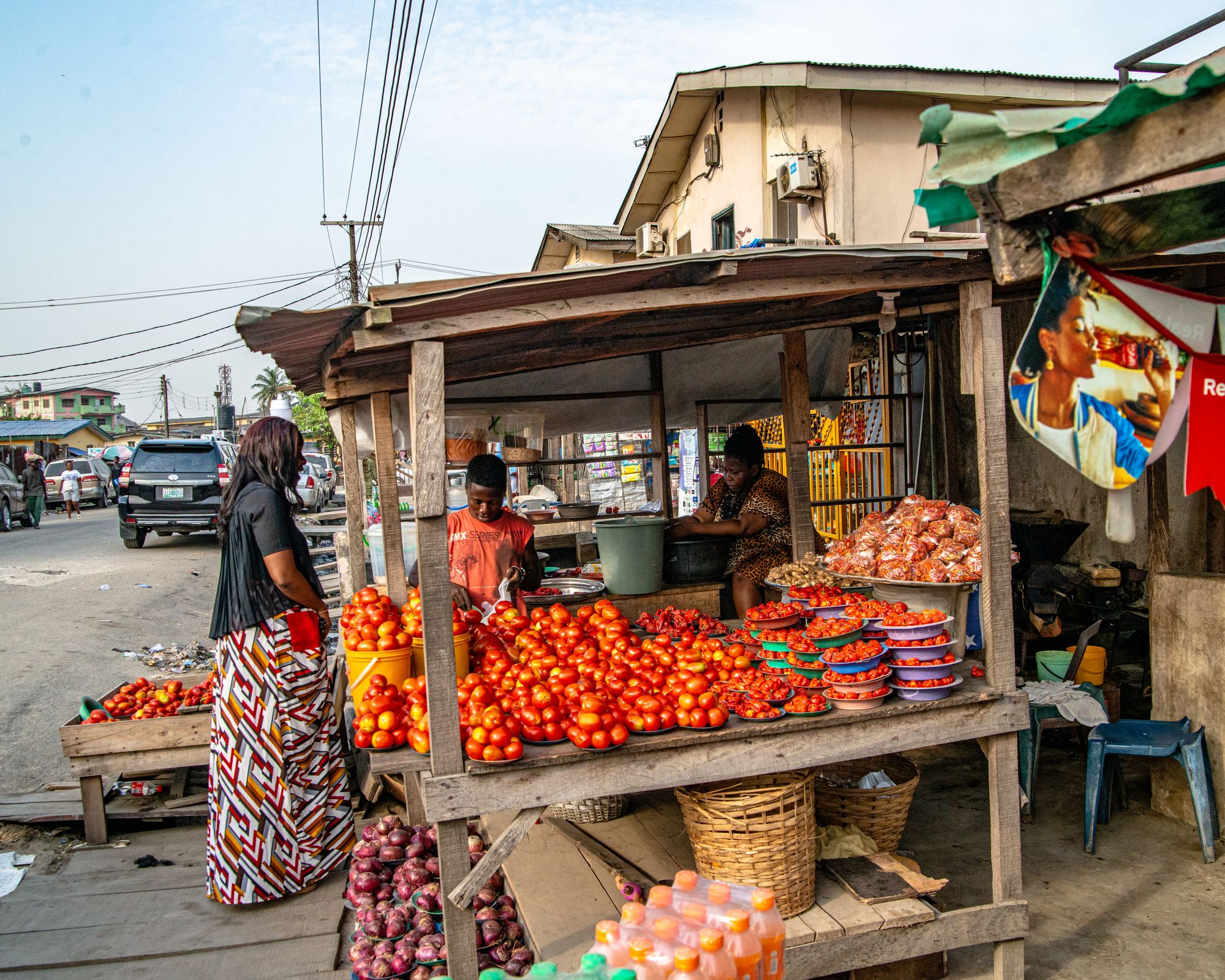
01What a meal in the centre actually is
The question this page settles is not where to eat but what kind of meal the Central Business District is set up to serve. The centre is a daytime trade. It feeds the people who work in the banks, the ministries, the shops and the markets, and it does that between the start of the working morning and the end of the working afternoon. What is on offer is a hot lunch, served fast, eaten and cleared before the next shift of custom arrives. This is the fact that decides everything else, and it is the fact most guides bury under a list of names.
Once you accept that, the options sort themselves into four kinds rather than four restaurants. The office lunch counters along Kenyatta Avenue and its connectors feed the desk trade. The market kitchens feed traders and porters and anyone willing to eat where the food is cooked in volume. The Indian lunch counters, left by a century of commercial history, are the centre's most distinctive cooking. And coffee, the crop Kenya exports and long did not drink at home, is now roasted and brewed inside the grid. That is the whole of it, and the rest is quarter by quarter.
A meal here is therefore practical rather than leisurely. You are not coming for a long table, a view or a quiet room. You are coming for food that is ready when the city is busy, at the hour the city is busy. Judge the place by whether it is full of office workers and traders at the middle of the day. If it is, the kitchen is turning over and the food is fresh. If it is empty at lunch, walk on.
02The eating mapped by quarter
The grid divides cleanly, and the quarters do not overlap in what they feed. Kenyatta Avenue carries the lunch trade and the roasteries; City Square is conference food; Moi Avenue and Tom Mboya Street carry the working kitchens and the Indian counters; Biashara Street and City Market carry the market edge. The green edge around Uhuru Park is thin on cooked food and relies on the older hotels between the park and the avenue. Each quarter has one answer to the question of where lunch comes from, and that answer is given by who is standing in the street at the middle of the day.
The edges differ. River Road cooks in front of you, prices for people on a shift and is the best value in the centre. Ngara feeds traders at the end of a working night, and its Indian and Somali kitchens give the northern edge the most distinct food inside the CBD. Upper Hill is hotel and office dining, built for meetings. Muthurwa is a wholesale market with a trader breakfast and nothing later. The Railway Quarter is working land and the food follows the shifts. None of these is a destination in the evening sense; each is a station on a working day.
Carry small notes for the market stalls and canteens, because many do not want to break a large one. On River Road keep your phone out of sight entirely, not just out of your hand. If the meal you want is nyama choma, plan to leave the grid: the grill houses Nairobi is known for sit mostly outside it. Eating inside the centre is a daytime arrangement, and the quarters enforce it themselves.
Office lunch counters
The grid around Kenyatta Avenue and Moi Avenue feeds its own offices from late morning through the middle of the day, with canteens and cafes that turn over quickly. Hot food, high volume, eaten standing or on the way back to a desk.
Market kitchens
The stalls around City Market and the Ngara traders' market feed the people who work there, not visitors, and follow market hours rather than restaurant hours. It is inexpensive, quick and finished by the middle of the day.
Indian lunch counters
The old Indian commercial streets carried their eating with them, and the lunch counters are still running. They sit between a shop and a canteen: a short menu, cooked in front of you, and a long lunch tradition in the centre.
Coffee, properly
The country exports some of the most sought-after coffee in the world and now brews it too. The roasteries around Kimathi Street cup their own lots, and the work is done as a tasting rather than a takeaway. Ask for a single origin.
03The mistake most visitors make
The mistake is to treat the CBD as an evening district because it looks like one at lunchtime. It does not behave like one after the offices close. The lunch trade empties, the market halls shut in the late afternoon, the parks close at dusk, and the quarters that were full at midday thin out fast. A visitor who books a hotel in the centre expecting to step out for dinner finds a quiet grid and a long ride to anywhere that is still cooking. The evening meal in Nairobi is not a centre meal, and the sooner you accept that, the better you will eat.
The second mistake is to hunt the famous grill houses inside the grid. Nyama choma is a Nairobi institution, but it is not a centre institution. The grill houses are mostly outside the CBD, and the attempt to find one by walking the streets wastes the best eating hours of the day. What the centre does well is a hot lunch at midday, and it does that better than most of the city. Go to the centre for lunch, and go elsewhere for the grill.
The third mistake is to ask a stall for a printed hour and then trust it. Kitchens are set by their operators and they move with staff, rent and season. An hour printed here would be wrong by the time you read it. Ask at the counter or check the operator for the place you have in mind. If a stall is open and there is a queue of office workers, that is the signal to eat. The crowd is a better clock than any notice on the wall.
04How to plan a meal here
Plan around the city's clock, not yours. Eat before the middle of the day if you want the market kitchens; they follow their quarter and not your schedule. Leave the evening meal to Upper Hill or one of the hotels near the park, and book the ride back. Carry small notes for market stalls and canteens, because many do not want to break a large one. On River Road keep your phone out of sight entirely. If you want nyama choma, plan to leave the grid. These are the practical moves, and they are enough for most days.
Beyond that, the plan is simple. Choose the quarter by the hour: market kitchens and trader stalls in the morning, the office lunch trade and the Indian counters at midday, the hotel side of the park in the evening. Decide what kind of meal you want before you walk, because the grid rewards a decision. Then let the queue choose the stall. A kitchen full of people who eat there every working day is the only review that matters in a district that turns over its custom five days a week.
One caveat belongs here, plainly. This page is compiled from published information and the site's own checks rather than from a visit, and it prints no opening hours, no kitchen days off and no prices. Kitchens are set by their operators and change with staff, rent and season, so anything that moves week to week is not printed here. The callout that follows says the same. Treat the quarter-level advice as stable and the premises as something to confirm on the day, at the counter, with the people who are actually cooking.
- Eat before the middle of the day if you want the market kitchens; they follow their quarter and not your schedule.
- Leave the evening meal to Upper Hill or one of the hotels near the park, and book the ride back.
- Carry small notes for market stalls and canteens; many do not want to break a large one.
- On River Road keep your phone out of sight entirely, not just out of your hand.
- If you want nyama choma, plan to leave the grid: the grill houses are mostly outside it.
What this page will not print
No opening hours, no kitchen days off, no prices. Kitchens are set by their operators, and they change with staff, rent and season; a truthful hour printed here would be wrong by the time you read it. Ask at the counter, check the operator for the place you have in mind, or simply go when the quarter is busy. If a stall is open and there is a queue of office workers, that is the signal to eat.
05The verdict, and when to ignore it
The verdict is that eating in the centre is worth planning a day around, provided the day is a working one. Come for lunch, not for dinner. Pick the quarter by what is moving at that hour, and pick the stall by the queue. The office lunch trade is reliable and easy. The market kitchens and the Indian counters are the reason to make the trip. Coffee roasted and brewed in the city that exports it is the one luxury the grid genuinely offers. That is the recommendation, and it holds from the start of the working morning to the end of the working afternoon.
Ignore the verdict when your only free hours are in the evening. The centre is not set up for that, and forcing it produces a quiet walk and a long ride. Ignore it too if you want a long table, a view or a slow meal in a quiet room: the CBD has hotels for conferences and meetings, and a more conventional dinner is a short ride west or south. If the point of your evening is the food rather than the district, eat outside the grid and come back for lunch.
Ignore the quarter advice if you have a host who knows the city. The best market breakfasts and the most distinct kitchens are the ones you reach with someone who already knows the streets, and a knowledgeable companion overrides any general guidance here. Otherwise, use this page for the kind of meal, the quarter and the hour, and settle the premises on the day. The grid rewards a short walk, a clear idea and a willingness to eat where the queue is.
Where this page comes from
Desk research, not fieldwork. Nobody writing this stood on the corner with a stopwatch, and a page that implied otherwise would be the least trustworthy thing on the site. The specifics above came from here:
- City Market: Nairobi City County market information.
- Ngara market trading hours: Nairobi City County market information.
- Muthurwa market: Nairobi City County records of the 2008 relocation.
Opening hours, ticketing and market days change. No hotel or operator pays to appear here.
06Questions
Can I get a proper sit-down lunch in the CBD?+
Yes, mostly through the hotels and the convention quarter rather than the streets. The blocks between Uhuru Park and Kenyatta Avenue hold the older full-service kitchens, and the civic centre feeds delegates when the halls are busy. For anything quicker, the office canteens around the grid do the job.
Where do I find nyama choma?+
Not in this grid. The grill houses Nairobi is known for sit outside the CBD, and the centre does working lunches instead. The quarter does a hot midday meal well, cooked in front of you and eaten fast. Plan a separate ride if grilled meat is what you want.
Is the coffee really worth paying attention to?+
The country grows some of the most sought-after coffee on earth, and for most of a century exported nearly all of it. The CBD roasteries now cup their own lots and will brew a single origin properly. Ask which grade it is and let the counter choose the method.
Can I eat at the market?+
The stalls around City Market and the Ngara market feed the traders, which is the recommendation, but they run on market time. Go in the morning or at lunch and expect it to close early with the halls. Muthurwa is a before-dawn market and not a lunch destination.
Which quarter should I avoid after dark?+
River Road plainly, and the market quarters once the halls shut. The busy grid thins quickly after the commute, and the parks close at dusk. Eat where you are staying or take a car to Upper Hill and back rather than walk the working streets at night.