01Tipping norms: who gets what
In Nairobi Central, tipping is discretionary but appreciated. For restaurant servers, 10% is standard if service isn't already included; check the bill, as some places add a service charge. Porters at hotels and at the Kencom and Railways bus stages typically receive KES 50–100 per bag. Housekeeping gets KES 100–200 per day in mid-range hotels, left in an envelope or with a note. Taxis and ride-hailing drivers aren't tipped as a rule, but rounding up to the next KES 50 is common, especially for late-night trips from the CBD to Westlands or Kilimani.
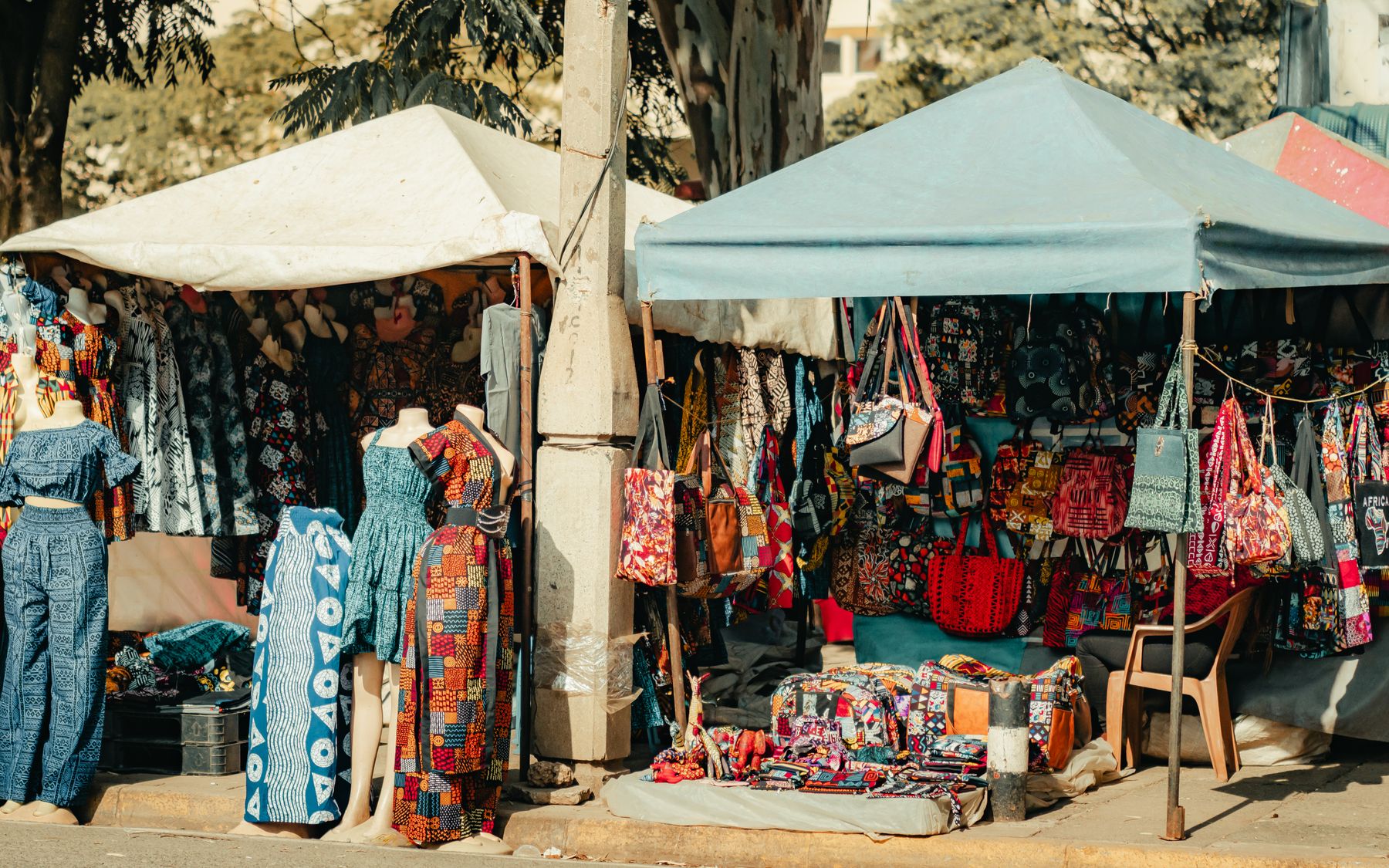
For guides at the Nairobi National Museum or during a walk through the city centre, KES 200–500 per person for a half-day is appropriate if the guide is freelance. At the Maasai Market (held at the High Court parking on Saturdays), bargaining is expected; a tip isn't necessary once a price is agreed, but rounding up for good service is a friendly gesture. Skip tipping at supermarkets like Nakumatt or Tuskys and at chain coffee shops, where a tip jar may sit by the till but isn't expected.
02Breaking a note: where to get small change
M-Pesa is ubiquitous, but cash is still needed for matatus, street food, and small purchases. Break large notes at banks along Kimathi Street or at the Hilton Arcade; ATMs dispense KES 1,000 notes, which are hard to use for a KES 20 samosa. Exchange bureaux in the CBD can give you smaller denominations if you ask. Avoid breaking a KES 1,000 note with a street vendor early in the day—they may not have change. Instead, buy a newspaper or a bottle of water at a kiosk to get coins and KES 50s.
Matatu conductors appreciate exact change; fares from the CBD to areas like Eastleigh or Ngara are typically KES 30–50, and handing over a KES 100 note can delay the trip. Keep a stash of KES 50 and KES 100 notes for tips and small purchases. Hotels often provide change at reception, but it's better to arrive prepared. The currency exchange at the Sarova Stanley and other large hotels can break notes for guests, though rates may be less favourable than at a bank.
03Cash or mobile money?
M-Pesa is accepted almost everywhere, from upscale restaurants in Westlands to vegetable stalls in City Market. However, for tips, cash is more practical for housekeeping and porters who may not have a till. Some establishments add a tip line on card receipts, but this isn't universal. When paying by card, ask if you can add a tip; otherwise, leave cash. For taxi drivers, M-Pesa is common, but rounding up in cash is simpler for a quick exit. Keep small notes handy for instances when mobile money isn't feasible, such as with older matatu conductors or at smaller kiosks.
Withdrawing cash: ATMs from major banks (Equity, KCB, Standard Chartered) are reliable, but use those inside malls or bank lobbies rather than isolated street ATMs. Withdrawal limits are often KES 40,000 per transaction, but daily limits apply. Notify your bank of travel to Kenya to avoid blocks. Cards are widely accepted at hotels, but smaller guesthouses may prefer cash. Always carry some cash for tips and small purchases, even if you rely on M-Pesa for larger expenses.
04Common scenarios and how much to give
At JKIA airport, porters expect KES 100–200 per bag. For the taxi from the airport to the CBD (about 45–60 minutes, depending on traffic), fares are typically KES 1,500–2,500; rounding up to the nearest KES 100 is appreciated. At hotels, bellhops get KES 100 per bag; housekeeping KES 100–200 per day. In restaurants, 10% is standard if service isn't included; for buffet breakfasts, KES 100 per person is a nice gesture. At bars, bartenders may not expect tips, but rounding up or leaving KES 50–100 per round is generous.
For tours: a half-day city tour with a guide might warrant KES 500–1,000 per person. At the Giraffe Centre or David Sheldrick Wildlife Trust, donation boxes are common; tips for staff aren't expected. When using a porter at the bus station, KES 50–100 is sufficient. For spa services, 10% is standard. Skip tipping at fast-food chains like Chicken Inn or Steers. If in doubt, ask your hotel concierge for guidance—they can advise on current norms without imposing.
Where this page comes from
Desk research, not fieldwork. Nobody writing this stood on the corner with a stopwatch, and a page that implied otherwise would be the least trustworthy thing on the site. The specifics above came from here:
- Written for this site by its editor. No outside source is claimed for it.
Opening hours, ticketing and market days change. No hotel or operator pays to appear here.
05Questions
How much should I tip a hotel housekeeper in Nairobi Central?+
Leave KES 100–200 per day in an envelope or with a note. This is standard for mid-range hotels; in luxury hotels, KES 200–300 is appropriate. Tips are not required but are appreciated.
Is it better to tip in Kenyan shillings or US dollars?+
Tip in Kenyan shillings. While US dollars are accepted in tourist areas, shillings are more useful for everyday purchases. Exchange small notes at a bank or forex bureau.
Do I need to tip taxi drivers in Nairobi?+
Tipping taxi drivers isn't mandatory. Rounding up to the nearest KES 50 or 100 is common, especially for good service or late-night trips. Ride-hailing apps like Bolt and Uber allow in-app tipping.
Where can I get small change in Nairobi Central?+
Banks along Kimathi Street, forex bureaux, and hotel receptions can break large notes. Kiosks and supermarkets are also good for getting coins and small bills when making a purchase.
Should I tip at restaurants in Nairobi?+
Check your bill for a service charge. If none is included, 10% is standard. For casual eateries, rounding up to the nearest KES 50 or 100 is fine. Tipping isn't expected at fast-food chains.
How much should I budget for tips during a week in Nairobi?+
A reasonable budget is KES 2,000–3,000 per week for tips, covering housekeeping, porters, restaurant meals, and occasional taxi rides. Adjust based on your spending and service quality.
Are credit cards widely accepted in Nairobi Central?+
Yes, at hotels, restaurants, and larger shops. However, smaller vendors and matatus operate on cash or M-Pesa. Carry some cash for tips and small purchases.
What is the etiquette for bargaining at markets like Maasai Market?+
Bargaining is expected, but keep it friendly. Start around half the quoted price and negotiate to a fair amount. Tipping isn't necessary after a deal, but rounding up is a nice gesture.