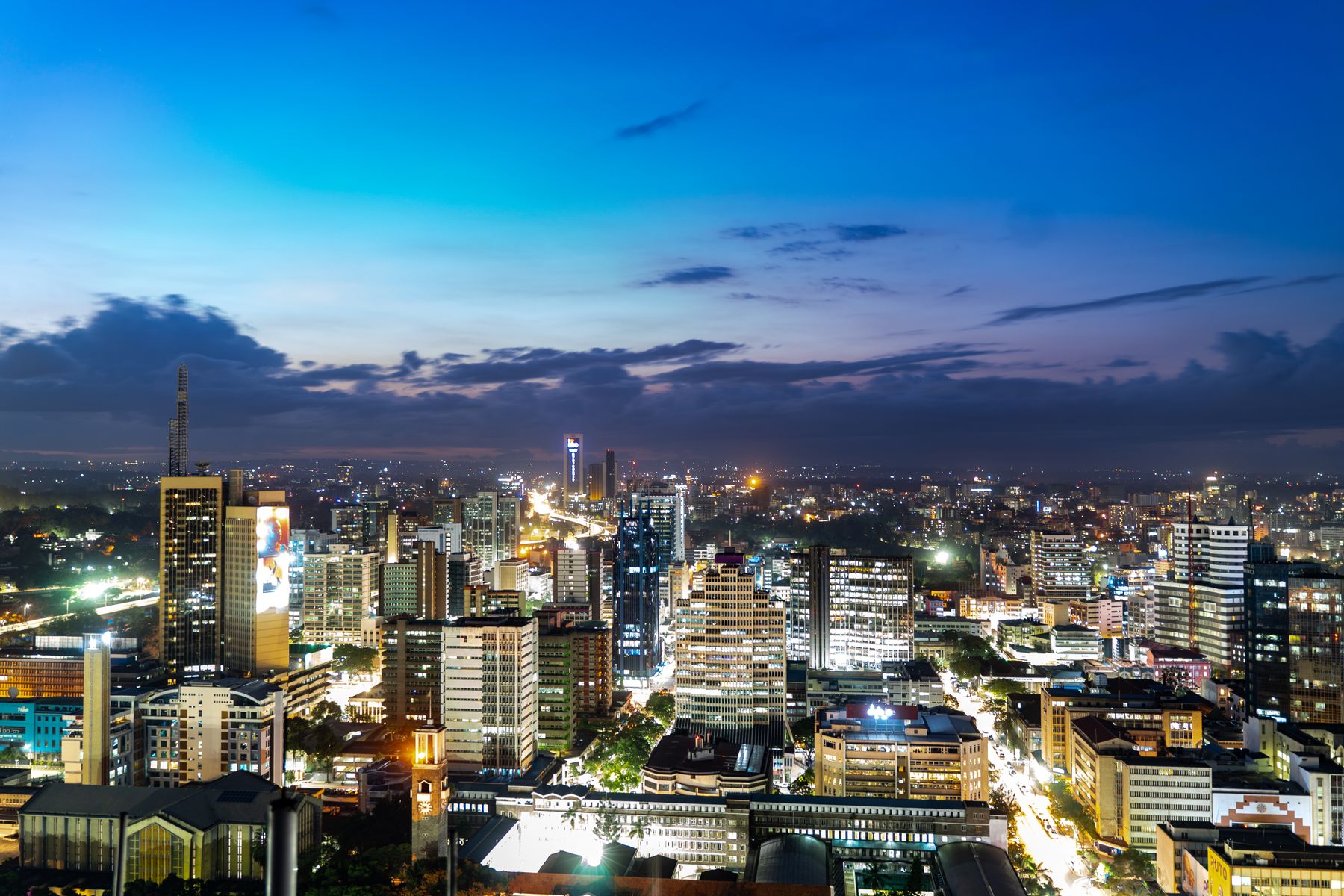
01Getting Out of the City
Limuru sits roughly 30 to 40 kilometres northwest of Nairobi Central, depending on where you start, and the drive via Waiyaki Way and the A104 usually takes 45 to 75 minutes outside rush hour. Matatus to Limuru and further on to Uplands leave from the Country Bus Station on Landhies Road; the trip is inexpensive and takes about an hour. If you are driving, leave Nairobi Central before 7am or after 9am, because Waiyaki Way clogs badly from 7.30am onwards and again from 5pm.
The altitude explains everything about the day. Nairobi Central sits around 1,795 metres; Limuru climbs past 2,200, and the difference is felt the moment the road begins to rise past Kikuyu. Mornings in July and August can be genuinely cold, with mist sitting in the valleys until mid-morning. Carry a light jacket even in January, when Nairobi is warm but Limuru's afternoons still cool off quickly. The long rains fall from late March to May, when the red-soil roads turn slick and the views disappear into cloud.
02Tea Country and Forest Walks
The landscape north of Limuru town is tea and dairy country, and the smallholder fields around Tigoni and Ngecha are the closest genuinely rural scenery to the capital. Several estates and farms in the area welcome visitors by prior arrangement, but do not assume access; phone ahead or book through an operator. The roads themselves are the attraction. The loop from Limuru town through Ngecha, down towards Ndenderu and back through Kiambu offers rolling views and roadside vegetable stalls that are worth stopping for.
For walking, the credible options are the forest patches and the trails around the Tigoni area rather than any formal national park. Brown's Forest near Tigoni is a working research forest with marked paths and a quiet picnic area; entry is modest and closes in the late afternoon. Skip any informal 'guide' who approaches at a roadside stop offering unsanctioned forest walks. If you want a structured half-day, arrange it in advance through a Nairobi-based operator, and confirm the pickup point the day before.
03What to Eat and Where to Stop
Limuru town itself is functional rather than charming; the appeal is the countryside around it. For lunch, the reliable choice is one of the country restaurants and hotel gardens along the Limuru-Kiambu road, where you get roast meats, tilapia and vegetables harvested nearby. Expect to spend more than you would at a Nairobi Central café, so budget for it. Weekends fill up with Nairobi families by 1pm; arrive at noon or book ahead.
The unmissable stop, in my view, is the Limuru market on a Wednesday or Saturday, when traders bring in potatoes, peas, cabbages and dairy from surrounding farms. It is busy, muddy and entirely worth an hour. Nearby, the small shops around Limuru's old railway station give a sense of the town's history as a colonial-era stop on the line to Naivasha. What I would skip is the temptation to bolt Limuru onto a Naivasha day trip; the traffic on the A104 makes that combination exhausting rather than enjoyable.
04Making It Work from a Nairobi Central Base
Limuru is a day trip, not a destination for an overnight stay unless you specifically want a country hotel, and most travellers are better off keeping a single base in Nairobi Central. From a hotel in the central grid around Kimathi Street, City Hall Way or Muindi Mbingu Street, you can walk to the Country Bus Station, reach the A104 quickly, and come back in the evening to a proper choice of restaurants. Two nights in the centre plus one Limuru day gives you the city's museums, the markets and the Karura Forest without repacking.
The best months for this trip are June to September, when the cool, dry air gives clear views across the tea fields, and December to February, which is warmer and greener. Avoid the height of the long rains in April and May if the countryside is the point. Build the day around a 7am departure, a market or forest walk by mid-morning, lunch at a country restaurant, and a return before 4pm to beat the worst of the Waiyaki Way traffic. That rhythm is what makes the day feel like a genuine escape rather than a long commute.
Where this page comes from
Desk research, not fieldwork. Nobody writing this stood on the corner with a stopwatch, and a page that implied otherwise would be the least trustworthy thing on the site. The specifics above came from here:
- Written for this site by its editor. No outside source is claimed for it.
Opening hours, ticketing and market days change. No hotel or operator pays to appear here.
05Questions
How far is Limuru from Nairobi Central?+
Limuru is roughly 30 to 40 kilometres northwest of Nairobi Central, depending on the exact route. By road via Waiyaki Way and the A104, expect 45 to 75 minutes outside peak hours. Matatus from the Country Bus Station take around an hour.
Do I need a car to visit Limuru for the day?+
Not necessarily. Matatus run frequently from the Country Bus Station to Limuru town. For the surrounding tea country and forest paths, however, a car or a pre-arranged driver is far more practical, since public transport does not reach the smaller farms and trails.
What should I wear for a day in Limuru?+
Bring a light jacket or fleece even if Nairobi Central is warm. Limuru sits above 2,200 metres and mornings can be misty and cold, particularly from June to August. Sturdy shoes are sensible for market visits and forest paths, which can be muddy.
When is the best time of year to go?+
June to September offers cool, dry weather with clearer views across the tea fields. December to February is warmer and greener. The long rains from late March to May bring slick roads and low cloud, which can hide the scenery entirely.
Is the Limuru market worth visiting?+
Yes, on a Wednesday or Saturday, when traders bring produce in from surrounding farms. It is busy and muddy underfoot, and it gives a real sense of the town's role in the regional food trade. Allow about an hour.
Can I combine Limuru with a Naivasha trip?+
I would not recommend it. The A104 traffic between Limuru and Nairobi is heavy, and adding Naivasha makes for a long, tiring drive. Treat Limuru as a half or full day on its own and keep Naivasha for a separate overnight trip.
Where should I stay for this trip?+
A hotel in Nairobi Central makes the most sense. From the Kimathi Street and Muindi Mbingu Street area you can walk to the Country Bus Station and reach the A104 quickly, and return in the evening to a wide choice of restaurants and services.
Are there places to eat in Limuru?+
Country restaurants and hotel gardens along the Limuru-Kiambu road serve roast meats, tilapia and local vegetables. Expect to pay more than at a Nairobi Central café. Weekend lunchtimes get busy with Nairobi families, so arrive by noon or book ahead.