01How the Long Rains Actually Behave in the CBD
Nairobi's long rains typically run from late March into the third week of May, with April the wettest month and the afternoon downpours most reliable between about 4pm and 8pm. Mornings are frequently clear, which matters if you are basing yourself in the central business district around Kimathi Street, Moi Avenue and Kenyatta Avenue. The pattern is heavy but rarely all-day: a hard hour, then clearing. Temperatures sit around 15-18°C at night and 22-25°C by day, so bring a light jacket and a compact umbrella rather than full rain gear.
This is also the quietest stretch for central Nairobi hotels outside the January lull, and rates in the CBD and Upper Hill corridor soften noticeably compared with the June-to-October dry high season. If your trip is business in the government quarter around Harambee Avenue or meetings in Upper Hill, April is workable and cheaper, provided you schedule outdoor movement before lunch. If your trip is leisure and you want Nairobi National Park, Karura Forest or day trips to Naivasha, I would avoid April and book late May or wait for June.
02Which Weeks I Would Book
My pick is the second half of May, roughly from the 15th onward, when the rain thins to short evening showers and the city is still quiet enough to keep central hotel availability generous. Early March, before the system settles, is the second-best window: warm, mostly dry, and you catch Nairobi at a comfortable 24-26°C. February is drier still but busier and pricier. I would skip the first two weeks of April entirely if your plans involve anything outdoors, and I would not book a hotel near the Nairobi River or on low ground around Grogan Road without checking recent drainage reports.
For a city-based stay, the exact location within Nairobi Central matters more in the rains than the month. A hotel within a short walk of the Kencom or Railways bus stages, or the Nairobi Terminus connections, saves you a soaking. Properties just off Muindi Mbingu Street or along Standard Street put you under arcades and covered walkways for the walk to City Hall, the law courts and the Kenyatta International Convention Centre. Confirm the hotel has covered parking if you are driving, because street parking around Kimathi Street fills fast when it pours.
03Getting Around and What to Skip
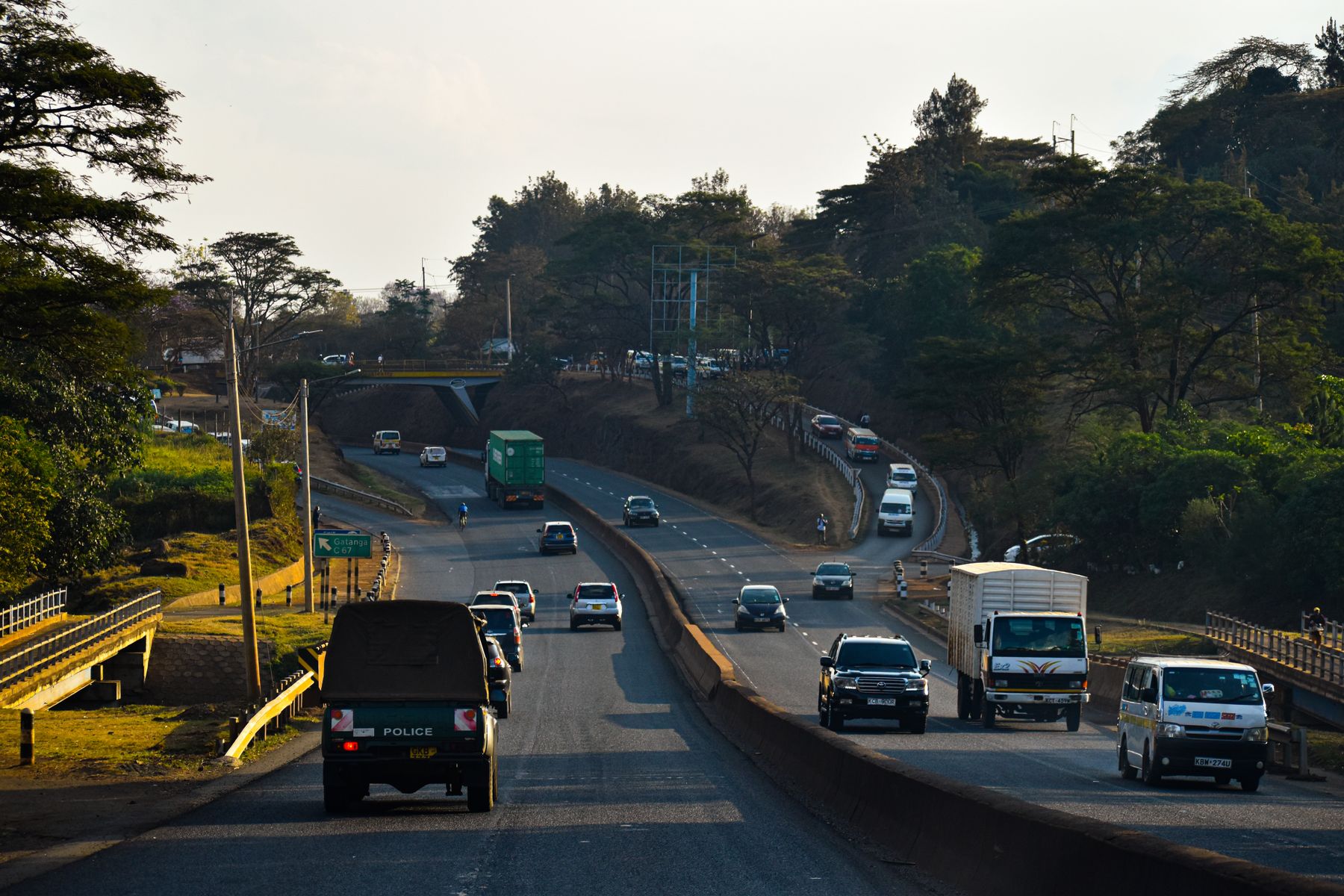
Traffic in central Nairobi roughly doubles in a downpour. Routes along Uhuru Highway, Haile Selassie Avenue and the Mombasa Road approach back up badly after 5pm in April, so allow 45-60 minutes for a trip to Westlands or the airport that would take 25-35 minutes dry. Jomo Kenyatta International Airport sits about 18km southeast of the CBD; in peak rain that is an hour or more. Use the morning window for anything outside the centre, and keep afternoons for indoor stops such as the Nairobi National Museum on Museum Hill or the Nairobi Gallery at the old PC's office.
Skip outdoor day trips that involve long drives on murram roads in April — Naivasha and the Rift Valley escarpment are fine, but smaller conservancy tracks turn slick. Skip the rooftop-bar plan too; most central terraces close when it rains. Do not skip the city's covered markets, though: the Maasai Market at various central locations and the stalls around City Market on Muindi Mbingu stay open and are far calmer in the wet season. Book a hotel with a decent in-house restaurant, because you will eat in more than you expect.
04Practical Booking Notes
Book central Nairobi hotels two to three weeks ahead in the long rains — far shorter lead time than the July-to-September peak, when six to eight weeks is sensible. Ask directly about airport transfers and whether the quoted rate includes the county levy and breakfast, because budget CBD properties often quote room-only. If you are comparing an Upper Hill hotel with one in the CBD core, note that Upper Hill is quieter and greener but a 15-25 minute walk or a short matatu or taxi ride from the central sights; the CBD is noisier but everything is on foot.
Pack for damp: quick-dry shoes, a small umbrella, and a dry bag for electronics. Laundry service in central hotels is usually same-day if you hand items in before 9am, which helps when you are travelling light. Power cuts are less common than they were but still happen in heavy storms, so a small power bank is worth the space. Finally, keep a paper or offline copy of your booking and a local SIM with data — mobile money is the default payment across Nairobi Central, and a dead phone complicates taxis and small purchases alike.
Where this page comes from
Desk research, not fieldwork. Nobody writing this stood on the corner with a stopwatch, and a page that implied otherwise would be the least trustworthy thing on the site. The specifics above came from here:
- Written for this site by its editor. No outside source is claimed for it.
Opening hours, ticketing and market days change. No hotel or operator pays to appear here.
05Questions
What are the long rains in Nairobi?+
The long rains are Nairobi's main wet season, generally from late March to mid or late May, with April the wettest month. Expect heavy but often short afternoon downpours, cooler evenings around 15°C and warm, frequently clear mornings.
Which month is best for a Nairobi Central hotel stay?+
Late May, from around the 15th, balances thinning rain with low season rates and easy availability. Early March is a good second choice. I would avoid the first half of April if you want outdoor plans.
How much do central Nairobi hotels cost in the rainy season?+
Rates vary by property, so check live prices for your dates. Broadly, central hotels soften outside the June-to-October dry high season, and you will find more room to negotiate on longer stays in April and early May than in the peak months.
How long does it take to reach Nairobi Central from the airport?+
Jomo Kenyatta International Airport is about 18km southeast of the CBD. Allow 30-40 minutes in dry conditions and 60 minutes or more during an April afternoon downpour, especially along Mombasa Road and Uhuru Highway.
Is April a bad time to visit Nairobi for business?+
Not at all. Morning meetings in the CBD and Upper Hill run normally, and flights and hotels are easier to secure. Schedule outdoor movement before lunch, allow extra time for road transfers after 4pm and keep a compact umbrella in your bag.
What should I pack for Nairobi in the long rains?+
Light layers for 15-25°C days, a compact umbrella, quick-dry shoes and a dry bag for electronics. Add a light jacket for evenings and a power bank, since heavy storms occasionally interrupt power in the city.
Which areas of Nairobi Central are easiest in the rain?+
The blocks around Kimathi Street, Muindi Mbingu Street and Standard Street have arcades and covered walkways linking you to City Hall, the law courts and the convention centre. Upper Hill is quieter but needs a taxi in heavy rain.
Should I book a hotel with parking in central Nairobi?+
Yes, if you are driving. Street parking around Kimathi Street and Moi Avenue fills quickly during downpours, and covered hotel parking saves you a wet walk. Confirm the parking arrangement in writing when you book.