01Why February Works for a City Break
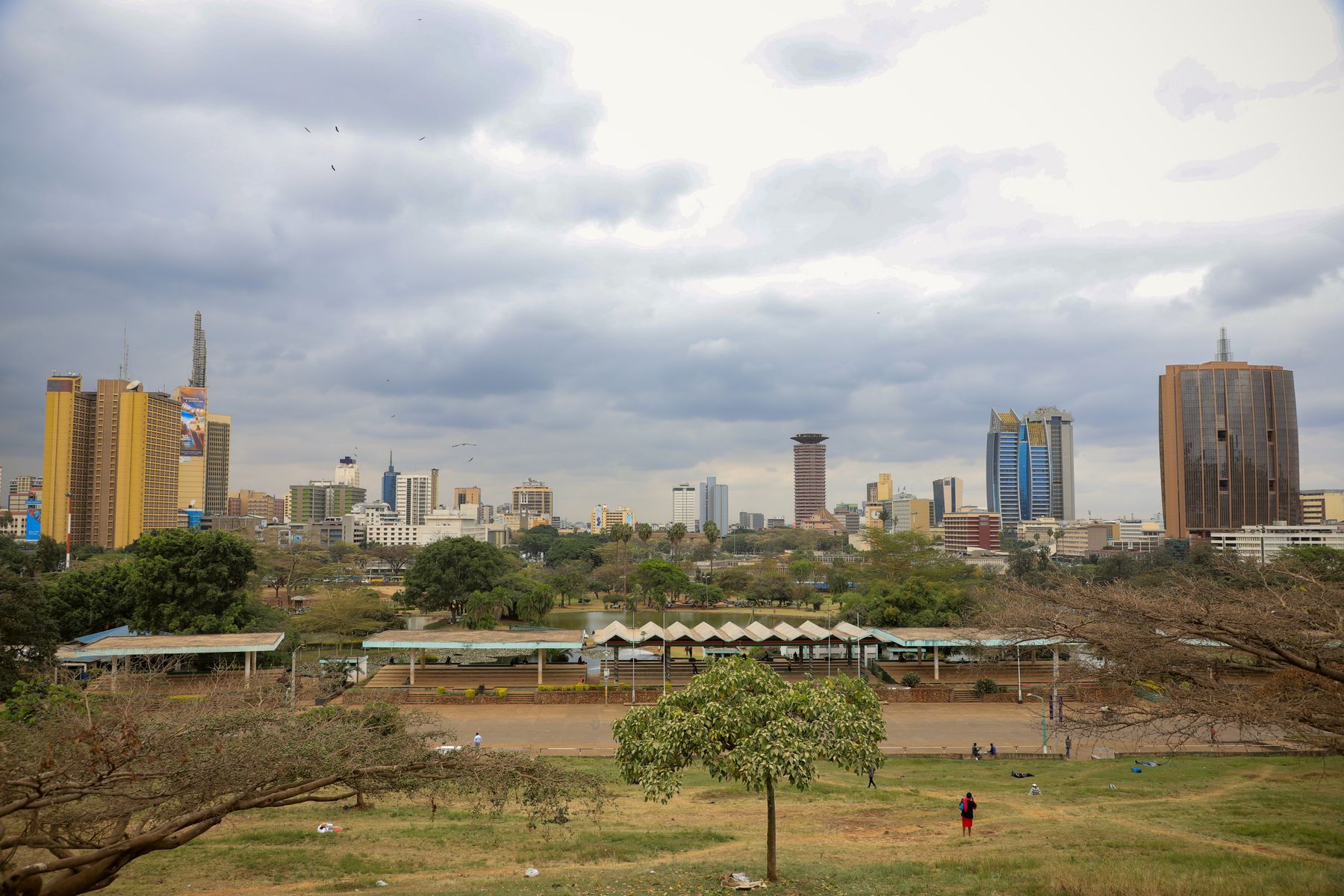
February falls between Nairobi's short rains in November and the long rains that typically start in late March, so you can expect mostly dry, sunny days with daytime highs around 26°C and cooler evenings near 12°C. The dry weather makes walking between landmarks like the Kenyatta International Convention Centre and the Nairobi Gallery comfortable, and the reduced chance of afternoon downpours means you won't need to plan indoor backups. It's a sweet spot before the rains return.
The quiet streets are a bonus: with schools in session and fewer holidaymakers than in December, traffic on arteries like Mombasa Road and Uhuru Highway eases, especially outside rush hours. That means quicker transfers — from Jomo Kenyatta International Airport to the central business district, the drive can take 30–45 minutes instead of an hour or more. Hotel rates also tend to be lower than in the festive season, with mid-range options in the CBD often between $80 and $150 per night.
02Where to Stay: Neighbourhoods and Options
For first-timers, the central business district offers proximity to attractions and transport. Areas around Kenyatta Avenue and Kimathi Street have a range of hotels, from budget guesthouses to international chains. If you prefer a quieter base with more local character, consider the leafy suburb of Westlands, about 4 kilometres northwest of the centre; hotels here often have restaurants and shopping nearby. Alternatively, the upscale neighbourhood of Kilimani, south of the city centre, is popular for its cafés and apartments, with a 15–20 minute drive to the CBD depending on traffic.
When choosing, weigh convenience against atmosphere. CBD hotels put you within walking distance of the Nairobi National Museum (about 2 kilometres) and the Maasai Market at the High Court parking lot, which operates on Saturdays. But evenings can feel deserted. Westlands and Kilimani are livelier after dark, with dinner options ranging from local nyama choma spots to Italian restaurants. For a balanced stay, I'd book a hotel in Westlands: it's safer for evening strolls, has more dining variety, and still offers quick access to the city centre via Waiyaki Way or the expressway.
03What to See and Skip in February
Must-sees include the David Sheldrick Wildlife Trust elephant orphanage in Karen, about 15 kilometres from the centre; go early for the 11 am public visit. The Giraffe Centre in Langata is nearby and can be combined in one morning. In the city centre, the Nairobi National Museum provides a good overview of Kenya's cultural and natural history, and the adjacent snake park is worth a quick look. For a dose of local life, browse the Maasai Market (different locations each day) or stroll through the City Park, though the latter is better visited in a group.
Skip the crowded malls on weekends if you want to avoid queues; instead, explore the art scene at the GoDown Arts Centre in Industrial Area, which often hosts exhibitions and performances. Also, don't bother with guided city walks that promise to cover everything in a few hours — Nairobi's traffic makes that unrealistic. Instead, pick one or two nearby attractions per day. And while February is dry, don't skip sunscreen and a hat; the equatorial sun is strong even on cloudy days.
04Practical Tips for a Smooth Stay
Book your hotel in advance, especially if you're aiming for popular spots in Westlands or Kilimani, as February can see business travellers filling rooms midweek. Use ride-hailing apps like Uber or Bolt for reliable transport; a trip from Westlands to the CBD typically costs between $5 and $10, depending on demand. For local flavour, try matatus (minibuses) on well-known routes, but they can be crowded and are best avoided during rush hour (7–9 am and 5–8 pm).
Currency is the Kenyan shilling; credit cards are accepted at major hotels and restaurants, but carry some cash for markets and small vendors. English and Swahili are widely spoken, and tipping is appreciated but not mandatory — 10% at restaurants is standard. For peace of mind, store emergency numbers: 999 for police, fire or ambulance. And while February is generally safe, exercise common sense: avoid flashing valuables and stick to well-lit areas at night. With these tips, you'll enjoy a dry, quiet and memorable Nairobi Central stay.
Where this page comes from
Desk research, not fieldwork. Nobody writing this stood on the corner with a stopwatch, and a page that implied otherwise would be the least trustworthy thing on the site. The specifics above came from here:
- Written for this site by its editor. No outside source is claimed for it.
Opening hours, ticketing and market days change. No hotel or operator pays to appear here.
05Questions
Is February a good time to visit Nairobi Central?+
Yes, February offers dry, sunny days with average highs around 26°C, making it ideal for exploring. It's between the short and long rains, so you'll encounter fewer crowds and lighter traffic than during peak seasons.
Which area is best to stay in Nairobi for first-time visitors?+
Westlands is a great choice for first-timers: it's about 4 kilometres from the centre, has a lively dining scene, and offers easy access to major attractions via the expressway. The CBD is convenient but quieter in the evenings.
What should I pack for a February trip to Nairobi?+
Pack light, breathable clothing for warm days, a jacket for cooler evenings, comfortable walking shoes, sunscreen, a hat, and sunglasses. A reusable water bottle is also handy, and don't forget a power adapter for UK-style plugs.