01Getting Your Bearings in the CBD
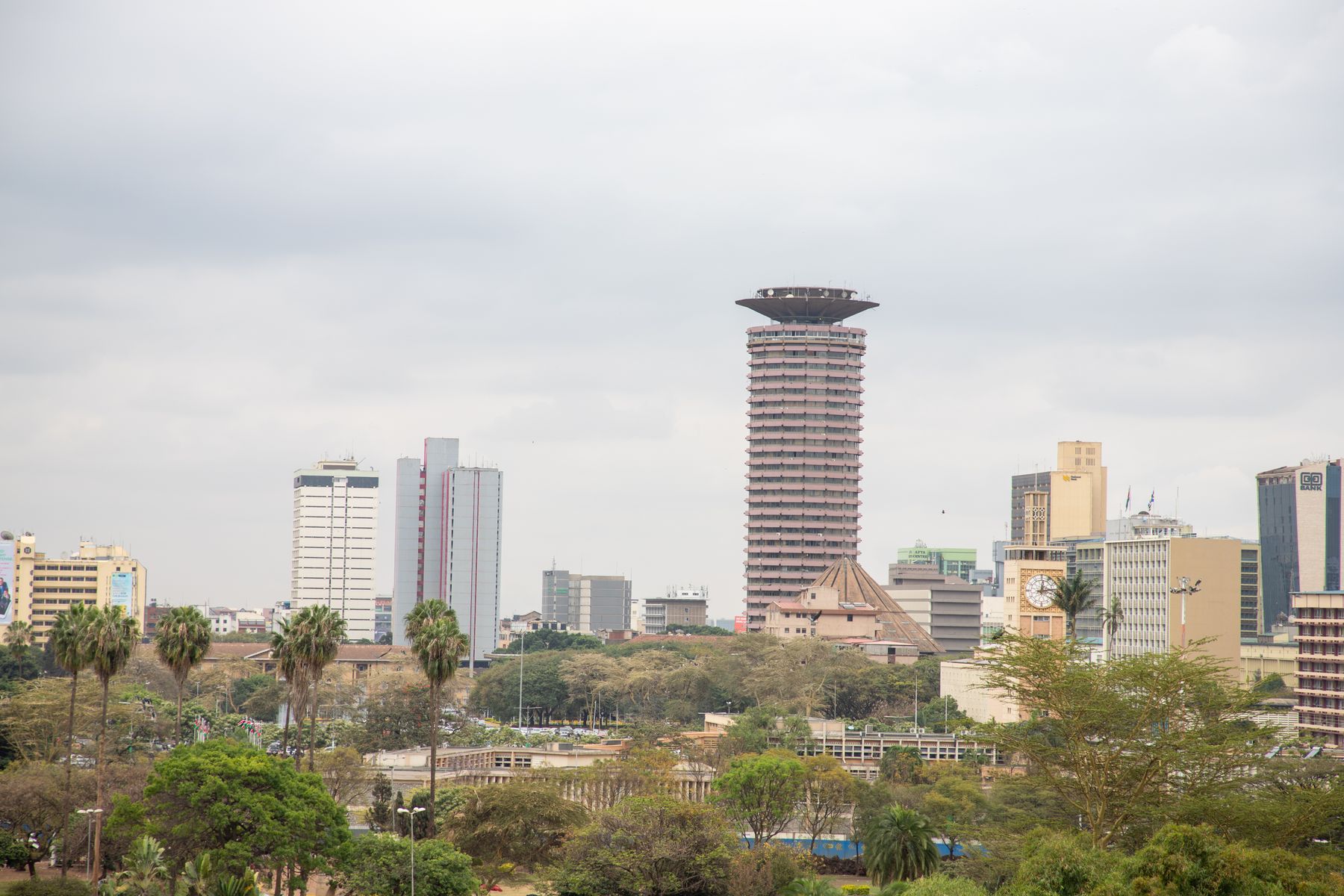
Nairobi Central is compact and walkable in daylight, bounded roughly by Uhuru Highway to the west, Racecourse Road to the north and Haile Selassie Avenue to the south. The Kenyatta International Convention Centre tower and the adjacent Parliament Buildings anchor the government quarter, while City Square and the Supreme Court sit a few minutes away. Most first-timers underestimate the distances: crossing from the Central Bus Station area to the Nairobi National Museum is best done by taxi, roughly 15 minutes outside rush hour, rather than on foot.
The August school holidays and the December-to-February dry season are the busiest months, and hotel rates in the CBD reflect that. January and February bring clear skies and reliable walking weather; the long rains from late March to May turn pavements slick and slow traffic considerably. If your priority is sightseeing on foot, aim for January. If you want lower room rates and can tolerate an afternoon downpour, June and July are quiet and comfortable.
02What to Actually See
Start at the KICC helipad for the city overview — the viewing deck opens in the morning and takes about an hour including security checks. From there, walk to the August 7th Memorial Park on Haile Selassie Avenue, a small, dignified site with a garden and interpretation centre. The Nairobi Gallery on PO Box 40658 Road, housed in the old provincial commissioner's office, is often overlooked and rarely crowded. The Maasai Market, which rotates between venues including the High Court parking area on Tuesdays, is worth an hour if you want crafts and are prepared to bargain patiently.
For wildlife without leaving the city, the Nairobi National Museum on Museum Hill covers human origins and Kenyan natural history well and suits a rainy afternoon. The Giraffe Centre in Langata and the Sheldrick Wildlife Trust elephant orphanage are half-day trips, 30 to 45 minutes by road from the CBD depending on traffic; book the orphanage slot in advance because public visiting hours are limited to one hour around 11am. The Bomas of Kenya, further out past Karen, is worthwhile only if you have a spare afternoon.
03Where to Base: Three Workable Options
The CBD itself, around Kenyatta Avenue and Muindi Mbingu Street, puts you within walking distance of the KICC, the memorial park and the central business district's banks and cafés. This suits short stays and business travellers; expect mid-range and upper-mid-range international chains rather than hostels. Evening options are limited once offices empty, so plan dinner before dark or take a short taxi to Westlands. I would book here for a two-night stopover focused on the city centre, not for a week.
Upper Hill, a 10-minute drive southwest, is the quieter alternative: newer towers, more mid-range and upscale hotels, and better parking. It is convenient for the museum and for onward trips to the airport via the Southern Bypass. Westlands, 20 to 30 minutes northwest, has the widest spread of restaurants and evening life, which matters if you want to eat out without a taxi. For most first-timers with three nights or more, I would book Westlands and day-trip into Central; for one or two nights, stay in the CBD and walk.
04Practicalities and What to Skip
Use ride-hailing apps rather than hailing street taxis, and agree the fare before you get in if you do. Carry small notes for markets and kiosks. The CBD is busy and safe-feeling in daylight but thins quickly after 6pm; keep valuables out of sight and avoid the River Road and Tom Mboya Street stretch north of the bus station after dark. A local SIM from one of the airport or downtown operators costs little and makes ride-hailing and maps far easier than roaming.
Skip the organised 'city tour' minibuses that tout along Moi Avenue — they bundle stops you can do yourself for less. Skip Karura Forest unless you have a full morning; it is lovely but 20 to 30 minutes north and needs more time than a quick visit allows. The Railway Museum is a niche stop and only worth it if trains interest you. If you have one free day, spend it at the Nairobi National Park's main gate, 15 minutes from the CBD, rather than adding another downtown museum.
Where this page comes from
Desk research, not fieldwork. Nobody writing this stood on the corner with a stopwatch, and a page that implied otherwise would be the least trustworthy thing on the site. The specifics above came from here:
- Written for this site by its editor. No outside source is claimed for it.
Opening hours, ticketing and market days change. No hotel or operator pays to appear here.
05Questions
Is Nairobi Central walkable for tourists?+
Yes in daylight between the KICC, City Square and Haile Selassie Avenue, but distances to the museum and parks need a taxi. Avoid walking north of the bus station after dark, and keep bags zipped and valuables out of sight in crowded streets.
Which neighbourhood should a first-timer book?+
For one or two nights, book the CBD near Kenyatta Avenue for walking access to landmarks. For three nights or more, Westlands gives you far better evening restaurants and still puts the centre within a 20-to-30-minute drive outside rush hour.
When is the best time to visit Nairobi?+
January and February offer clear, dry weather for walking, though they are the busiest and priciest months. June and July are cooler, quieter and cheaper, with occasional rain. Avoid the long rains from late March to May if sightseeing on foot is your priority.