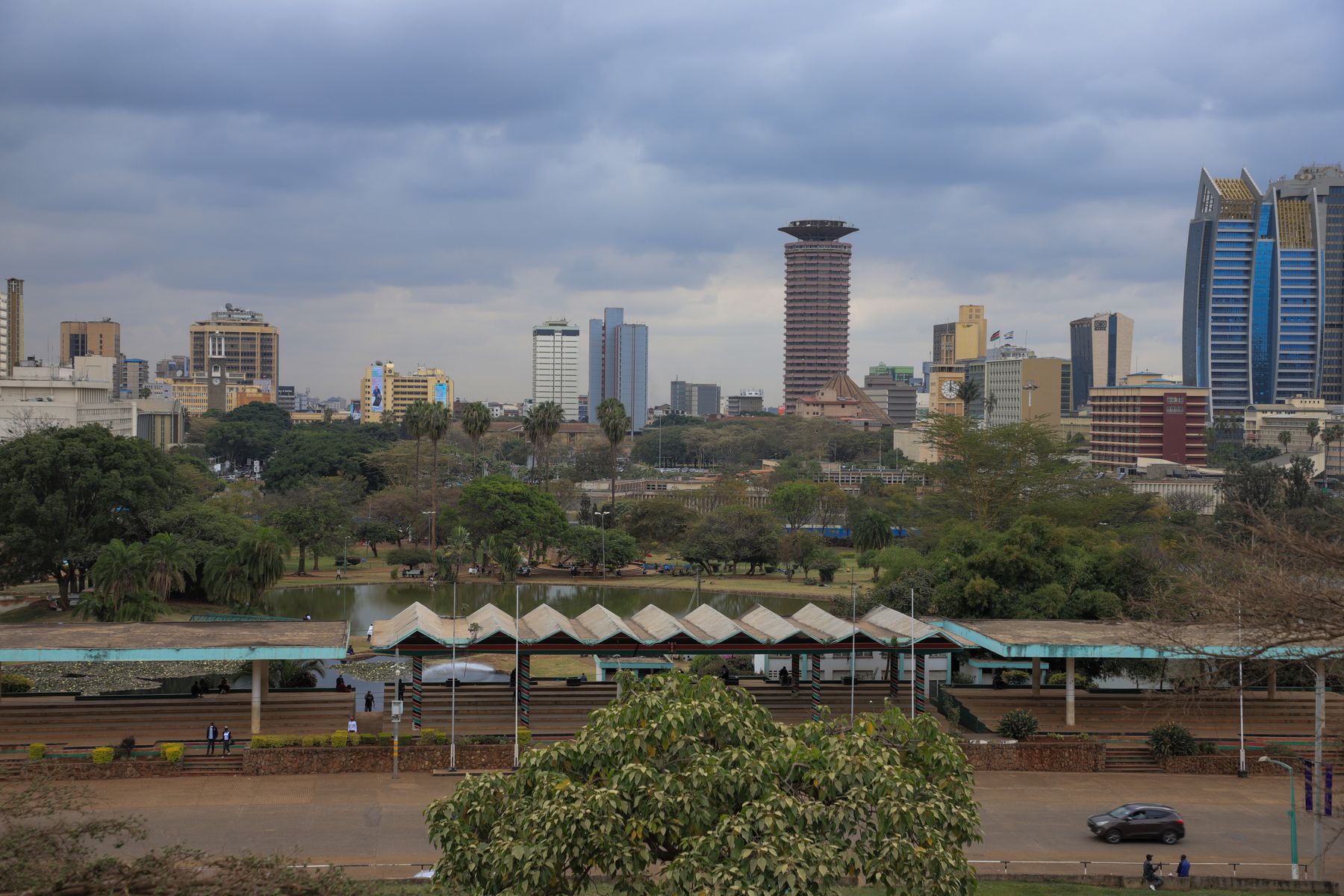
01The Nairobi Gallery and the downtown core
Start at the Nairobi Gallery on Harambee Avenue, the small red-brick building beside Nyayo House that holds the Murumbi collection of African art, beadwork and textiles. Entry is free and the galleries take under an hour; check opening days before you go, since state-run museums in Kenya keep shorter weekend hours. From there walk ten minutes down Kenyatta Avenue to the Kenya National Archives, whose ground floor has a modest art and craft display and whose upper floors are a trove of colonial-era photographs. Both sit within easy reach of hotels around Kimathi Street, which is why most art-minded visitors base themselves in this grid rather than further out.
The Central Business District is not a gallery quarter in the European sense, so treat it as a walking circuit rather than a single destination. The murals and painted matatus along Tom Mboya Street are worth a slow hour if you are comfortable with crowds and traffic. For contemporary work, the One Off Gallery in Rosslyn and the Circle Art Gallery on James Gichuru Road are the two names to know, but both sit west of the centre, a 20-30 minute drive depending on traffic. If you have two days, split them: downtown first, then a car day west.
02Where working artists actually are
The most rewarding creative spaces are outside the CBD and need a driver or a ride-hailing app. Kibera's community art centres, reached via Ngong Road and the Olympic estate, host workshops, sculpture yards and youth collectives; visits are best arranged through a guide rather than turning up unannounced, and a morning slot on a weekday avoids weekend crowds. Expect to pay for a guided walk rather than an entrance fee, and bring small notes. The nearby GoDown Arts Centre on Dunga Road, in the Industrial Area, programmes dance, theatre and visual art, with a calendar that changes month to month.
For photography and design, the Nairobi National Museum on Museum Hill, still only 5-10 minutes from the centre by car, holds a substantial collection of Kenyan and East African work and is the single most reliable rainy-day stop. Across the city, the Kuona artists' collective in Kilimani, off Dennis Pritt Road, opens studios to visitors and is a gentle introduction to how Nairobi artists work and sell. My pick for a half day: Kuona in the morning, lunch in Kilimani, and the museum late afternoon. Skip the CBD galleries on Sundays, when most are closed.
03Festivals, markets and timing your visit
Nairobi's creative calendar peaks in the dry months. January and February bring warm, clear days, and the dry spell from June to October is the most comfortable for walking. The long rains of April and May close some outdoor spaces and turn dirt roads in Kibera and Kawangware to mud, so keep those months for indoor galleries and the museum. The Nairobi International Trade Fair in late September and early October, at the Jamhuri Park showground on the Langata Road side, draws craft stalls and design stands alongside agricultural exhibits, and it is worth a look if your dates overlap.
For buying work rather than looking, the Maasai Market rotates around the city, appearing at the High Court parking on certain days and at other sites through the week. The quality varies hugely; prices are negotiable and you should handle objects before deciding. Craft shops along Kimathi Street and in the Sarit Centre in Westlands offer fixed prices and better provenance for textiles and soapstone. Street art fans should not miss the painted walls of the Railway Museum on Station Road, a short walk from the central hotels and usually quiet mid-morning.
04Staying central and getting around
Booking a hotel in Nairobi Central makes sense for an art-focused trip because most of the downtown stops sit within a 20-minute walk, and the museum, Kuona and the GoDown are short drives. Rates in the CBD generally run from modest business hotels near River Road up to international-standard properties around Kimathi Street and Uhuru Highway. River Road is cheaper but noisier and busier; for a first visit I would book on or near Kimathi Street or Muindi Mbingu Street, which puts you between the Gallery, the Archives and the cafés around City Market.
Traffic is the practical constraint. Allow 30 minutes to reach Westlands galleries at midday and 45 at rush hour; use a ride-hailing app rather than hailing roadside taxis. The central matatu and bus stages along Latema Road and Accra Road are useful for short hops but confusing for newcomers. Walking in the CBD by day is fine; after dark, take a car. If your priority is one big gallery rather than several small ones, consider staying in Westlands instead, but for a first-time mix of archives, murals and markets, central Nairobi wins.
Where this page comes from
Desk research, not fieldwork. Nobody writing this stood on the corner with a stopwatch, and a page that implied otherwise would be the least trustworthy thing on the site. The specifics above came from here:
- Written for this site by its editor. No outside source is claimed for it.
Opening hours, ticketing and market days change. No hotel or operator pays to appear here.
05Questions
How many days do I need for Nairobi's art scene?+
Two full days covers the downtown galleries and museum comfortably, plus a half day for Kuona or Kibera. Three days lets you add the GoDown Arts Centre and the Westlands galleries. If you are combining art with safari, book the city days at the start rather than the end of the trip.
Is the Nairobi Gallery free to enter?+
Yes, entry to the Nairobi Gallery on Harambee Avenue is free, though opening days are limited and can change. Confirm current hours locally before travelling across the city. The Nairobi National Museum charges an entrance fee for non-residents and is the more dependable option on a tight schedule.
What is the best month to visit for outdoor art and murals?+
January and February, then June to October, give dry, clear weather for walking and street art. Avoid the long rains of April and May, which disrupt outdoor sites and dirt roads. Weekday mornings are quietest at Kibera collectives and the Railway Museum, before city traffic builds.