01Start where the birds already are: the city centre and Museum Hill
The easiest first walk needs no guide and no early alarm. Begin at the Nairobi National Museum grounds on Museum Hill, off Kipande Road and close to the Kenyatta International Convention Centre. The gardens and the pond behind the museum hold hadeda ibis, speckled mousebirds, baglafecht weavers and, most mornings, a pair of black kites overhead. Entry to the grounds is modest, and you can cover them in about ninety minutes at a slow pace. Arrive by 07:30, when the light is soft and the lawns are quiet, and bring binoculars if you have them — 8x42 is a sensible all-round size for a first pair.
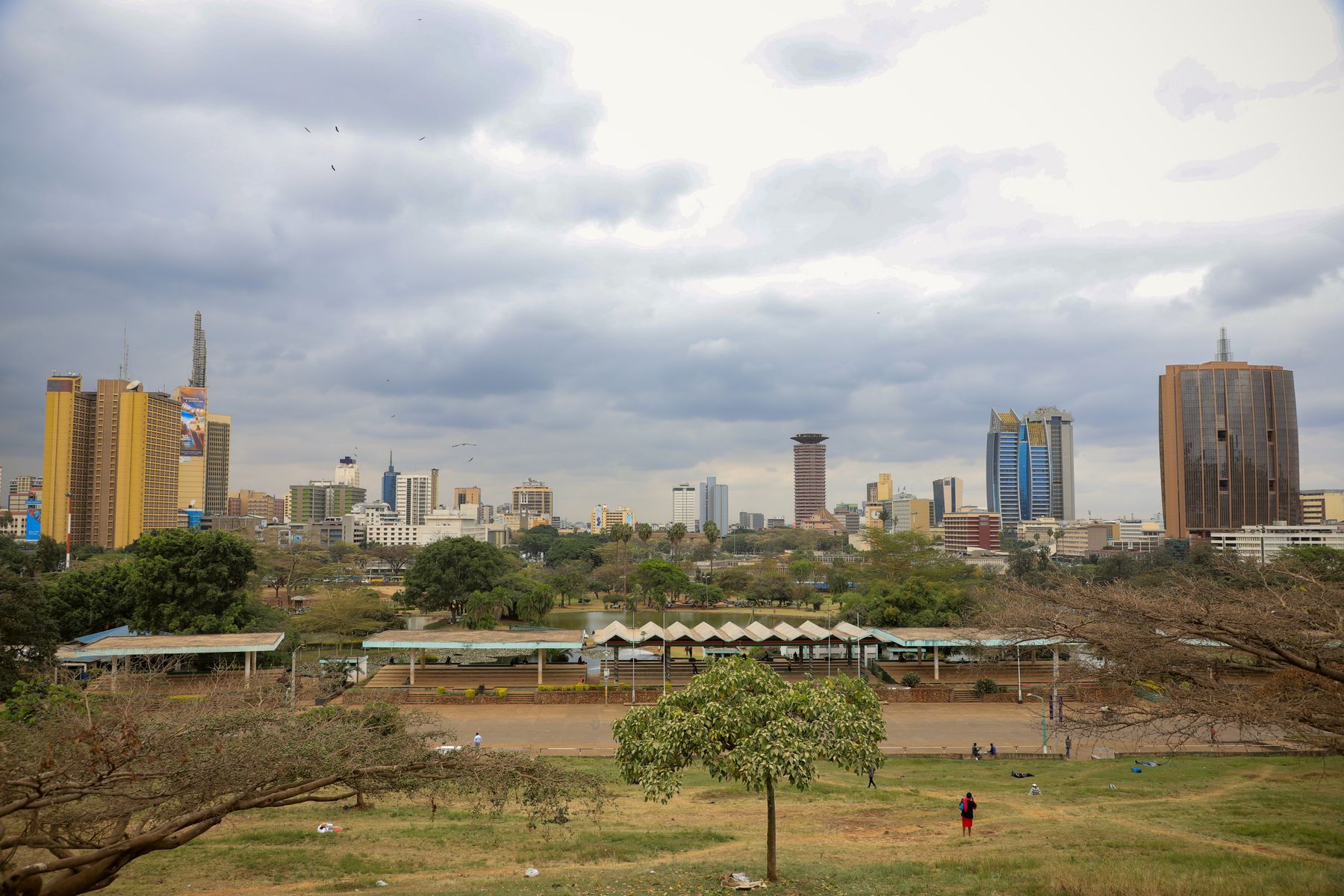
Pair that with a short loop through the Central Business District itself. From the museum, walk down Museum Hill to Uhuru Highway, then cross into the Jeevanjee Gardens area and on to the edge of Uhuru Park near the Kenyatta Avenue entrance. This is five-star birding in a scruffy setting: marabou storks on the rooftops, pied crows, common bulbul, bronze mannikins in the fig trees and, around the park's ponds, black-headed herons. Traffic noise is constant, so use headphones-free listening in the park only. Do not walk there after dark; finish by 11:00 and you will have seen twenty species without leaving the city.
02Karura Forest: the half-day option worth the taxi
Karura Forest, entered from Limuru Road near the Muthaiga roundabout, is the single best morning for a beginner within reach of central Nairobi. A taxi from the CBD takes roughly 20 to 30 minutes depending on traffic on Limuru Road and Forest Road, and expect a fare in the region of a few hundred to a thousand Kenyan shillings each way — ask the driver to wait or agree a return time. Karura charges a small entry fee for adults and a bit more for foreign visitors, and the gates open early. The main trail near the river is flat enough for trainers.
What makes Karura worth it is the variety: turaco, wood-hoopoe, African goshawk, several sunbirds and, if you are lucky, narina trogon in the denser fig forest. The river loop takes two to three hours at birding pace. Go on a weekday, because Saturday mornings bring runners and cyclists. The months from June to October, the cooler dry season, are best: leaves thin out, birds flock to the remaining water and there are fewer mosquitoes. Skip January afternoons — hot, quiet and busy with visitors. If I were booking one excursion for a first-timer, this is the one.
03The Nairobi National Park edge and the February question
You do not need a full safari to see the park's birdlife. The stretch of the Southern Bypass side and the area around the main gate on Langata Road give you roadside birds without the park fee: secretary bird on the grass verges, superb starling, lilac-breasted roller on the fence posts and ostriches sometimes visible from the boundary. It is a 20 to 30 minute drive from the CBD; agree the fare first or use a ride-hailing app. This is a good option if you have a spare late afternoon rather than a full morning.
Timing matters more than gear. Nairobi sits on a plateau at around 1,700 metres, so mornings are cool even in the dry season — take a light fleece. The short rains arrive around November and the long rains from late March into May, and birding is genuinely pleasant in the green season if you carry a poncho and start early. Bird activity peaks in the first two hours after dawn and again around 16:30. February, hot and dry, is the weakest month for a beginner's walk; June to October and the dry weeks of January are stronger.
04Where to stay and what to skip
For these three walks, base yourself in or near the CBD — around Kenyatta Avenue, Kimathi Street, Muindi Mbingu Street or Museum Hill. Hotels here put the museum gardens within a ten-minute walk and give easy taxi pick-up for Karura and Langata Road. Rates vary, but central three- and four-star properties typically sit well below what you would pay for a lodge inside the national park, and you are five to fifteen minutes from the main taxi ranks. Confirm the hotel can arrange an early breakfast or a packed one, since a 06:30 departure is normal.
Skip the guided 'birding safari' packages sold in the city centre if you only have a day — they are expensive and often repeat what you can do independently at Karura. Skip walking Uhuru Park or the museum lawns alone at dusk; mornings only. Bring a local field guide, a notebook, and patience rather than a long lens. One honest tip: book the hotel before you book any tour, because the right base near Museum Hill or Kenyatta Avenue saves more time than any checklist.
Where this page comes from
Desk research, not fieldwork. Nobody writing this stood on the corner with a stopwatch, and a page that implied otherwise would be the least trustworthy thing on the site. The specifics above came from here:
- Written for this site by its editor. No outside source is claimed for it.
Opening hours, ticketing and market days change. No hotel or operator pays to appear here.
05Questions
Do I need a guide to go birdwatching in Nairobi?+
No. The museum grounds, Uhuru Park and Karura Forest are walkable or a short taxi ride away, and Karura's trails are well marked enough for beginners. A guide helps at Karura if you want turacos and trogons quickly, but it is optional.
What is the best time of year for birds around Nairobi?+
June to October, the cool dry season, is the most comfortable and productive, with birds concentrated near remaining water. The green season after the November rains is good too. February is hot and quiet, so plan mornings rather than afternoons.
How much does a birding morning cost without a tour?+
Mainly transport. Karura Forest has a small entry fee, and a taxi from the CBD costs a few hundred to about a thousand shillings each way. The museum grounds and public parks need no guide, so a morning can cost less than a restaurant lunch.